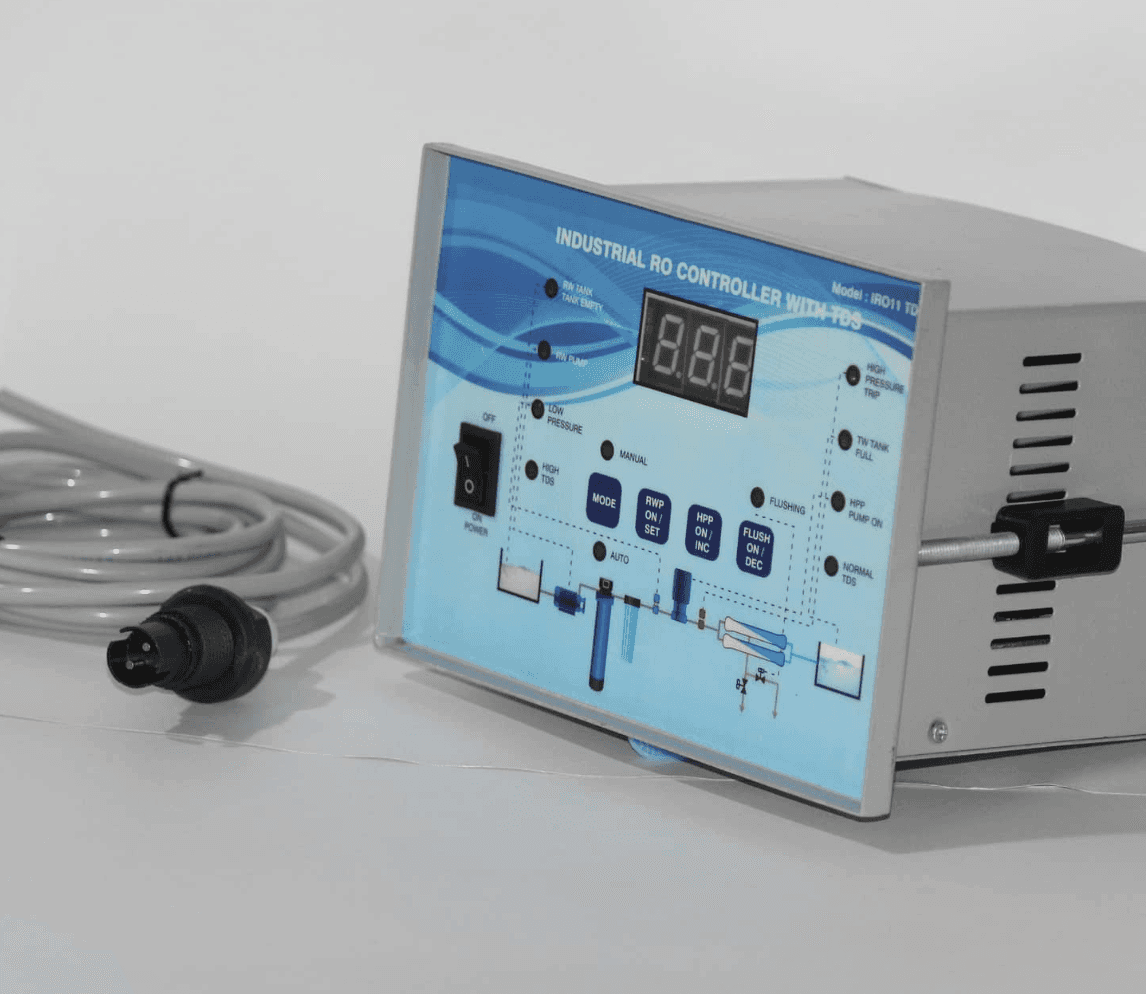


An industrial water automation and monitoring system deployed across public infrastructure and government bodies.
Context
Elemento Aqua was developed as an industrial-grade water automation system designed for large-scale public deployment - across railway stations, public places, and municipal infrastructure, particularly in Tier-2 cities.
The system needed to operate reliably in environments where failure was not an option, and where monitoring, reporting, and compliance were as important as physical delivery.
Beyond dispensing water, the platform was expected to integrate automation, monitoring, and accountability into a single system.
The Problem
Providing drinking water at scale isn’t a hardware problem alone.
It’s an operational and governance challenge.
Key challenges included:
Managing distributed physical installations across locations
Ensuring consistent water quality and availability
Automating dispensing while preventing misuse or downtime
Capturing real-world data for oversight and reporting
Meeting regulatory and government requirements
The system needed to bridge physical infrastructure and digital accountability.
The System We Designed
Elemento Aqua was designed as a physical–digital system, where hardware, software, and monitoring worked together as one operational unit.
Core system principles:
Automation without manual dependency
Real-time visibility into distributed installations
Data-driven oversight for operators and authorities
Reliability in low-intervention environments
What the system included:
Automated RO water dispensing units
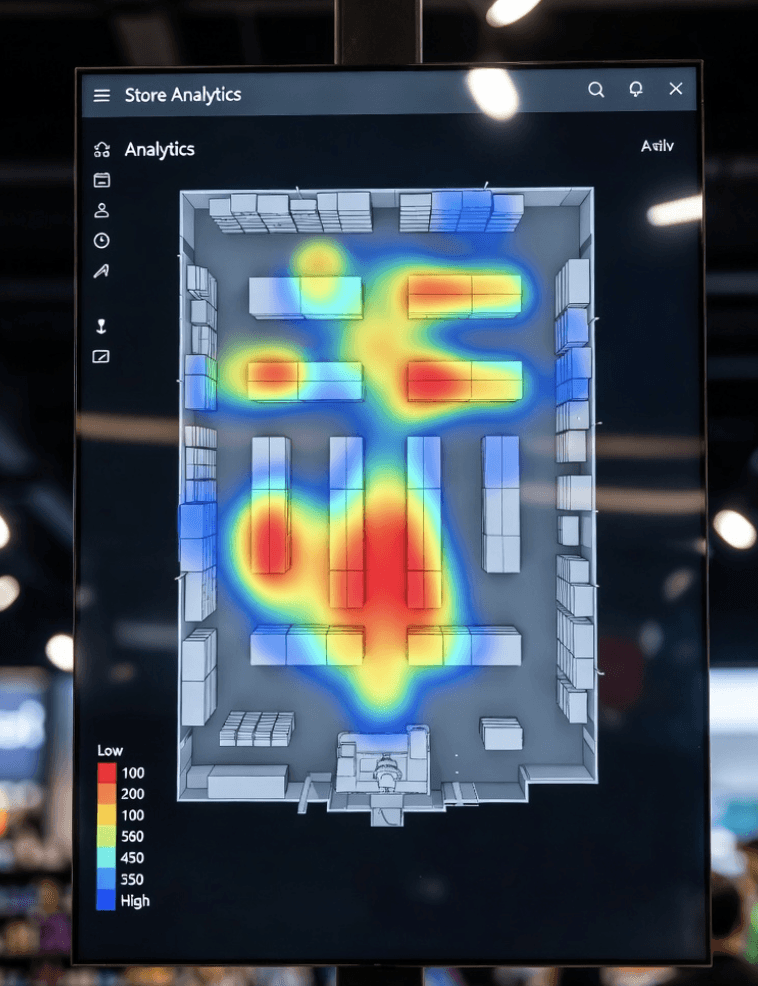
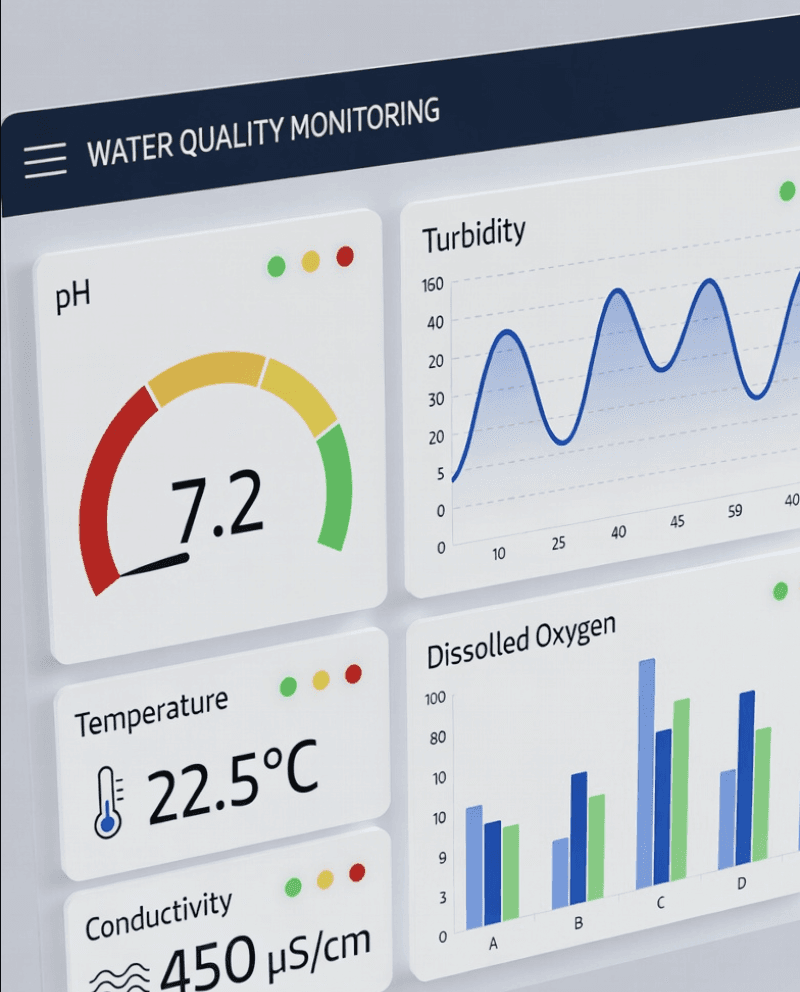
Centralised monitoring and control dashboards
Real-time status and performance tracking
Alerts for maintenance, faults, and anomalies
Reporting systems for operational and regulatory review
The system treated each installation as part of a larger network - not an isolated machine.
Decisions That Mattered
1. Design for unattended operation
The system was built to run with minimal human intervention, reducing operational dependency and cost.
2. Physical reliability before feature expansion
Stability, accuracy, and durability were prioritised over additional functionality.
3. Data as accountability
Monitoring and reporting were treated as core features — not add-ons — enabling transparency for operators and authorities.
4. Scale across locations, not complexity per site
The architecture allowed new installations to be added without increasing system complexity.
Our Role
We worked across:
Product definition and system architecture
Automation logic and operational workflows
Monitoring and reporting structures
Coordination between physical infrastructure and digital systems
Our role focused on ensuring the system remained operationally sound as it scaled.
Outcomes
Deployment across public infrastructure and Tier-2 cities
Reduced dependency on manual monitoring
Improved operational reliability and uptime
Clear visibility and reporting for operators and stakeholders
A system suitable for long-term public infrastructure use
Elemento Aqua became more than a machine - it became a managed system.
Why This Matters
Public infrastructure systems demand a different level of thinking.
They require reliability, accountability, and resilience - not just features.
Elemento Aqua demonstrates how systems-first design can bridge physical infrastructure and digital governance effectively.