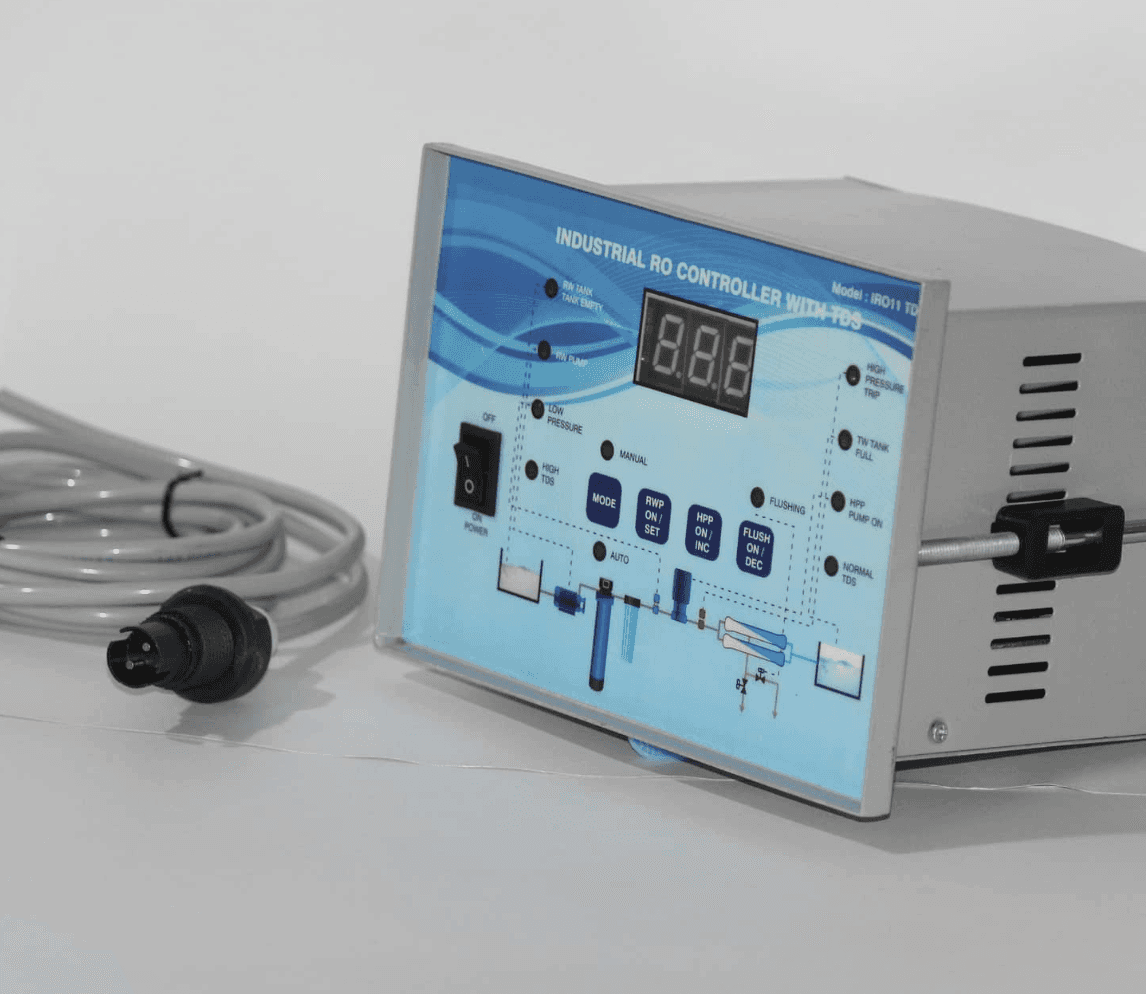


An environmental monitoring and compliance system designed for real-time effluent tracking across public water bodies.
Context
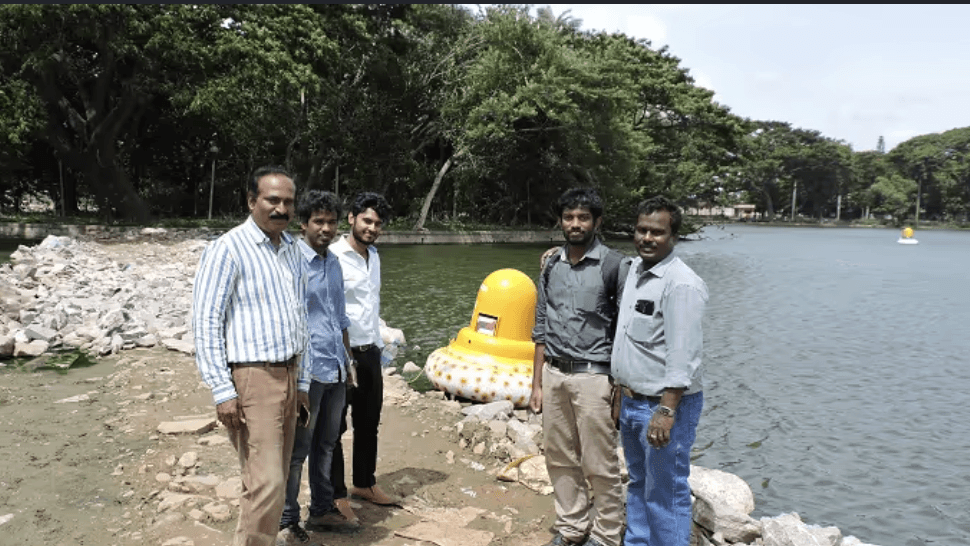
Tetherbox was developed as an environmental monitoring system to track effluent discharge and water quality across lakes, treatment plants, and public water bodies.
The system was deployed in collaboration with regulatory authorities and government bodies, including pollution control boards, to support continuous monitoring, reporting, and compliance. These environments required a level of reliability, transparency, and accountability far beyond typical commercial systems.
This was infrastructure-grade work - designed to operate in the background, continuously and accurately.
The Problem
Environmental monitoring systems fail when data cannot be trusted.
The core challenge was ensuring accurate, real-time visibility into effluent discharge and water quality in environments where manual inspection is infrequent and delayed reporting can have serious consequences.
Key challenges included:
Monitoring dispersed locations with minimal on-ground intervention
Capturing reliable data in harsh environmental conditions
Providing real-time visibility to regulatory authorities
Maintaining long-term system stability and calibration
Ensuring data integrity for compliance and audits
The system had to function as a single source of truth.
Key Constraints
Installations across lakes and public infrastructure
Limited physical access after deployment
Regulatory expectations around accuracy and traceability
Long-term operation without frequent maintenance
Public and environmental accountability
Failures were not acceptable.
The System We Designed
Tetherbox was designed as a distributed environmental monitoring system, combining physical sensors with a central reporting and oversight platform.
Core system principles:
Continuous, automated data collection
Real-time monitoring with historical traceability
Centralised visibility across distributed installations
Compliance-ready reporting for authorities
The system included:
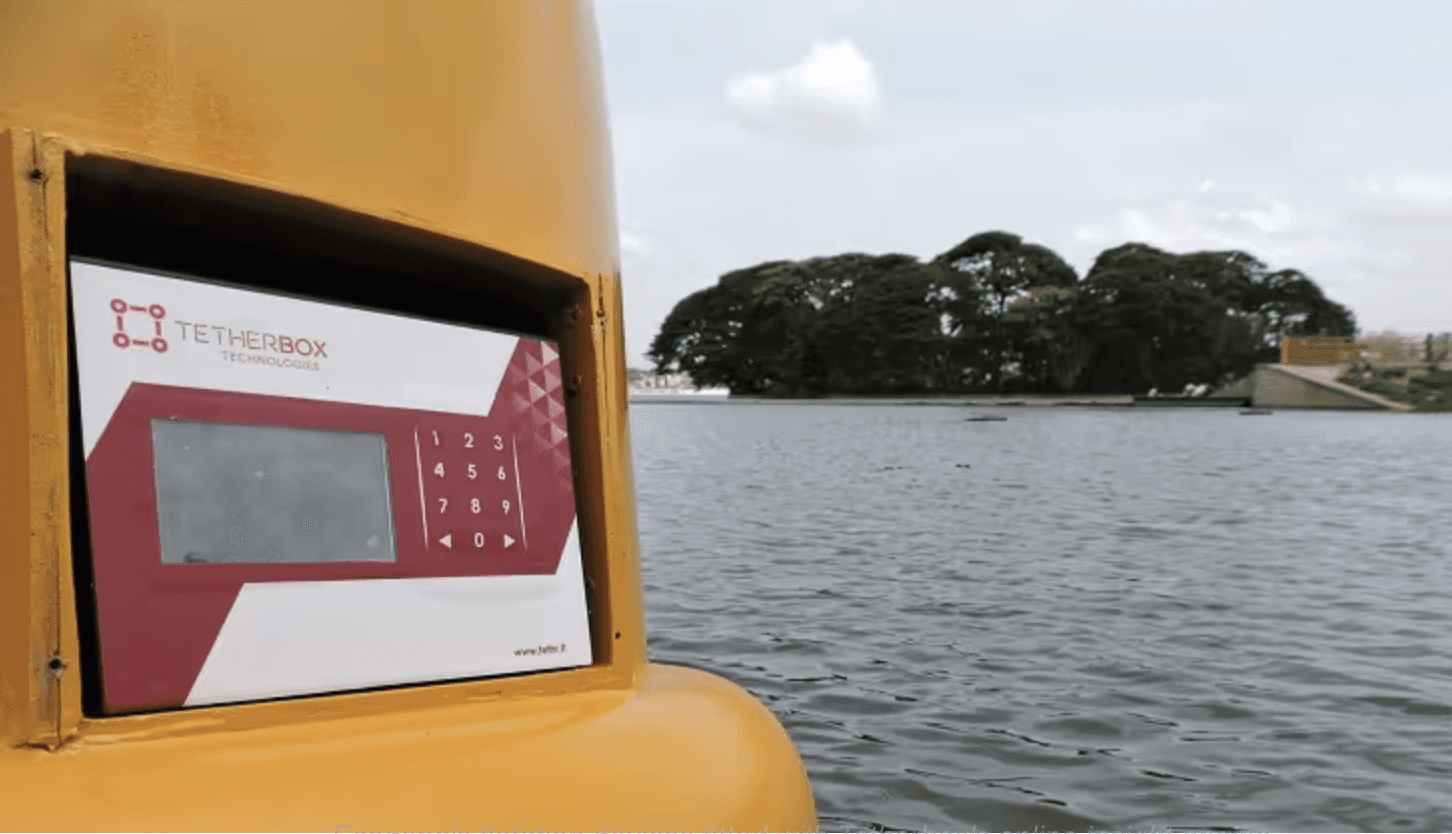
On-site sensing units for effluent and water quality metrics
Secure data transmission from field units
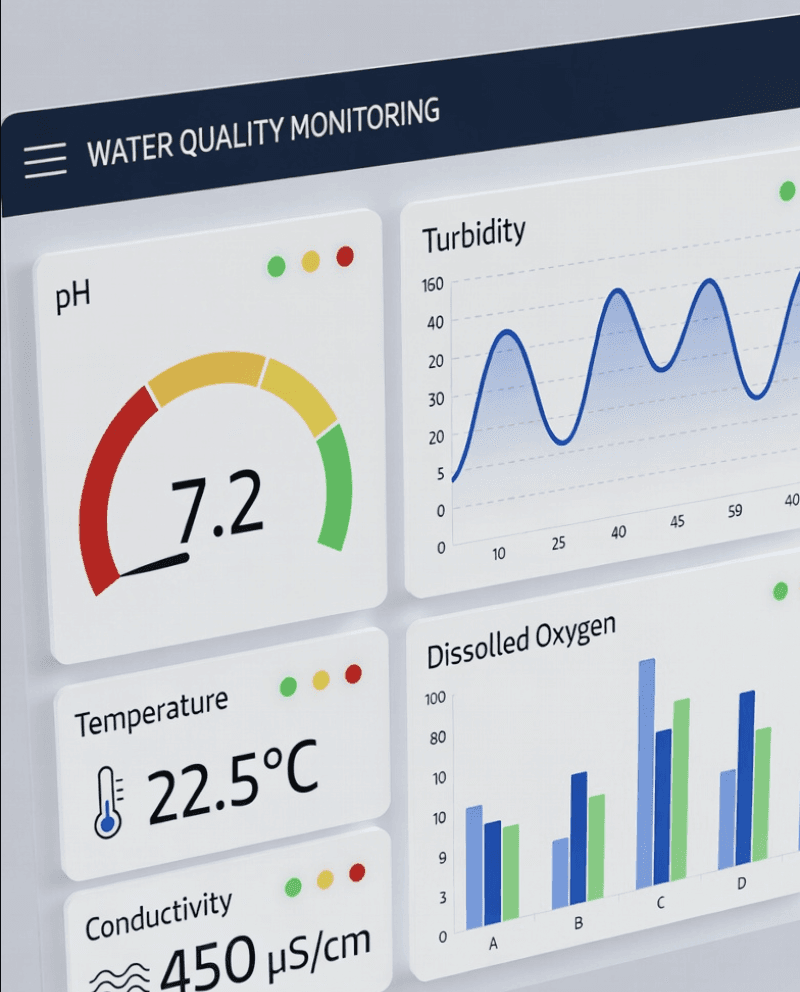
Central dashboards for monitoring and alerts
Reporting tools aligned with regulatory requirements
Audit-ready data histories
The system treated environmental data as critical infrastructure, not telemetry.
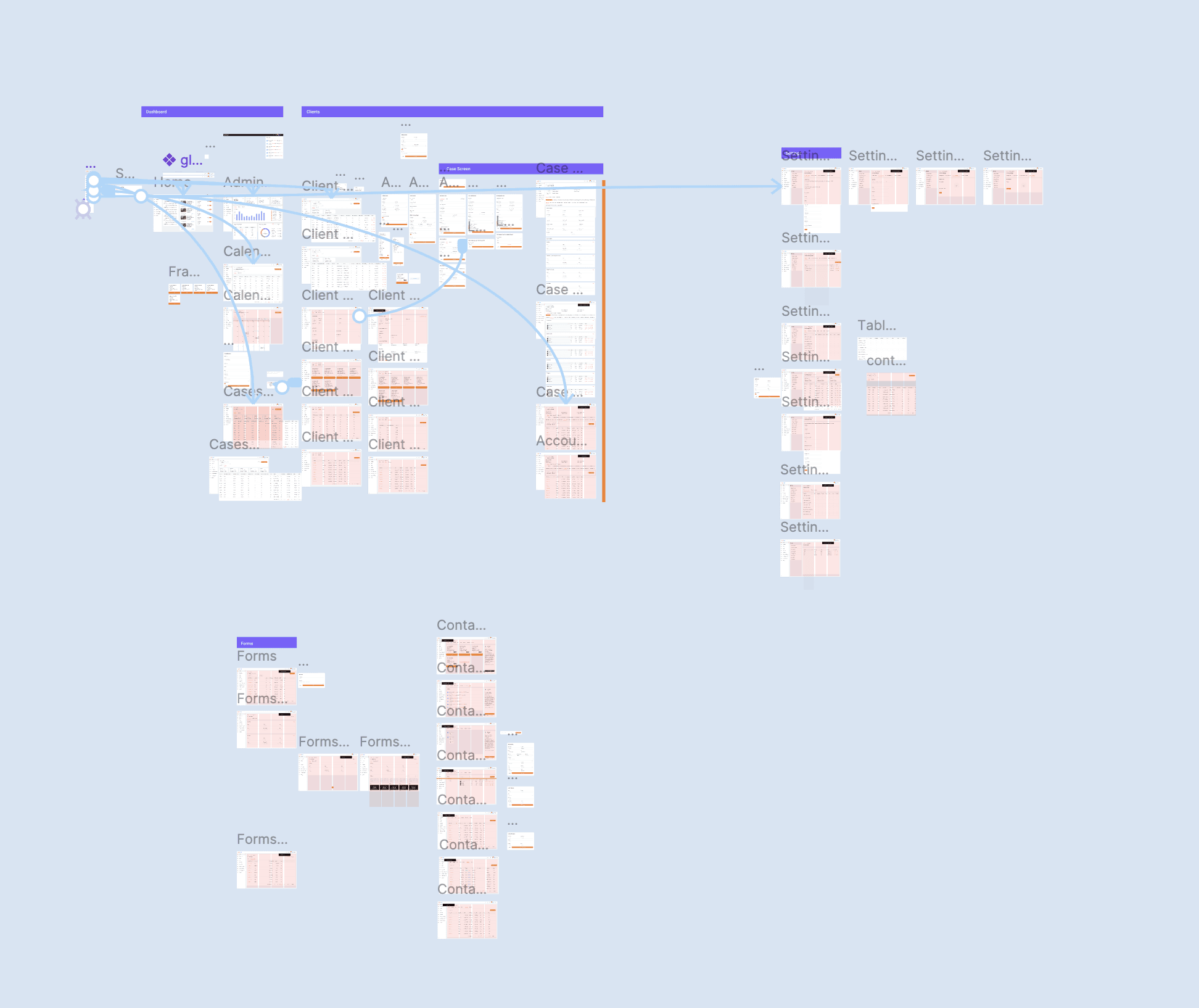
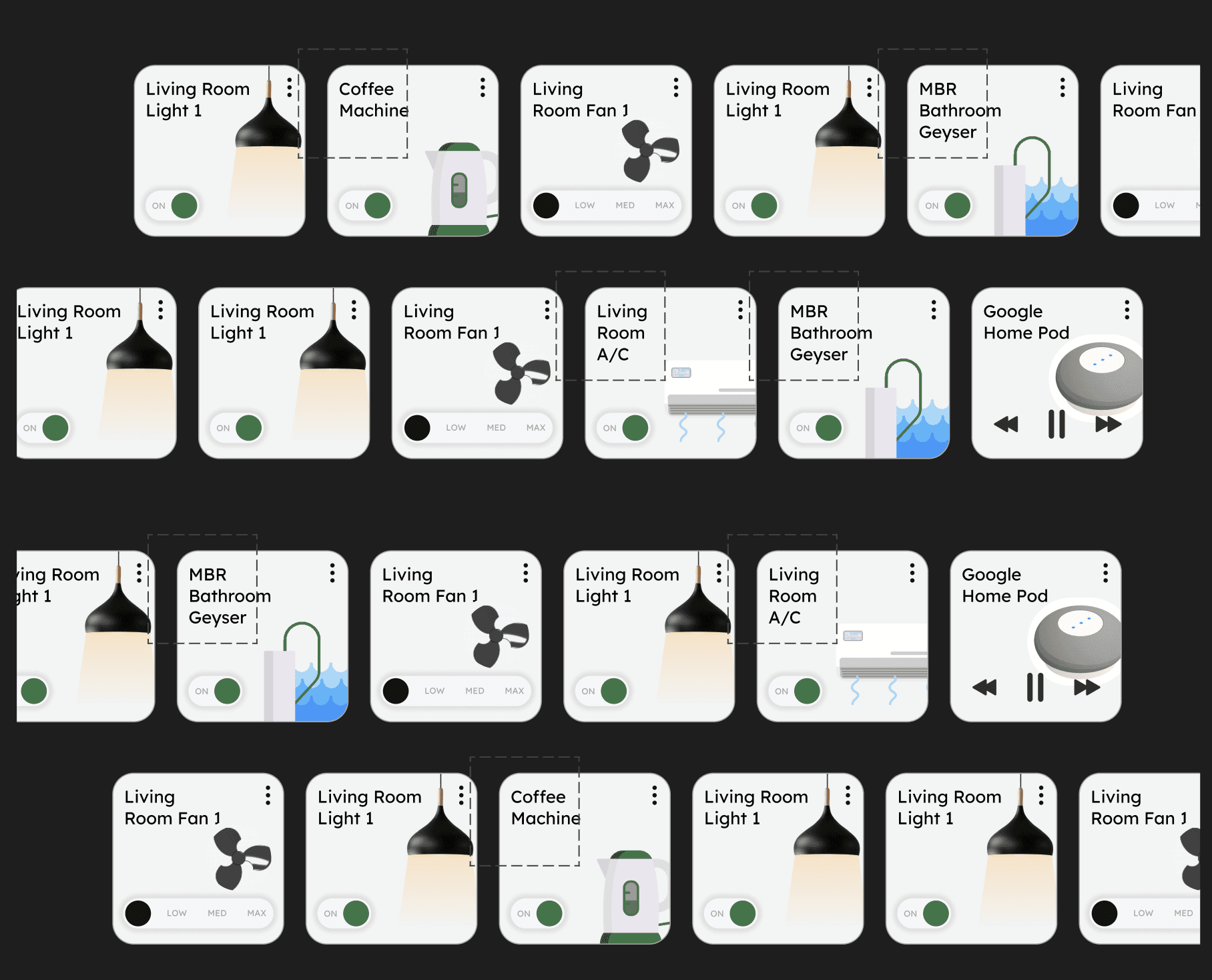
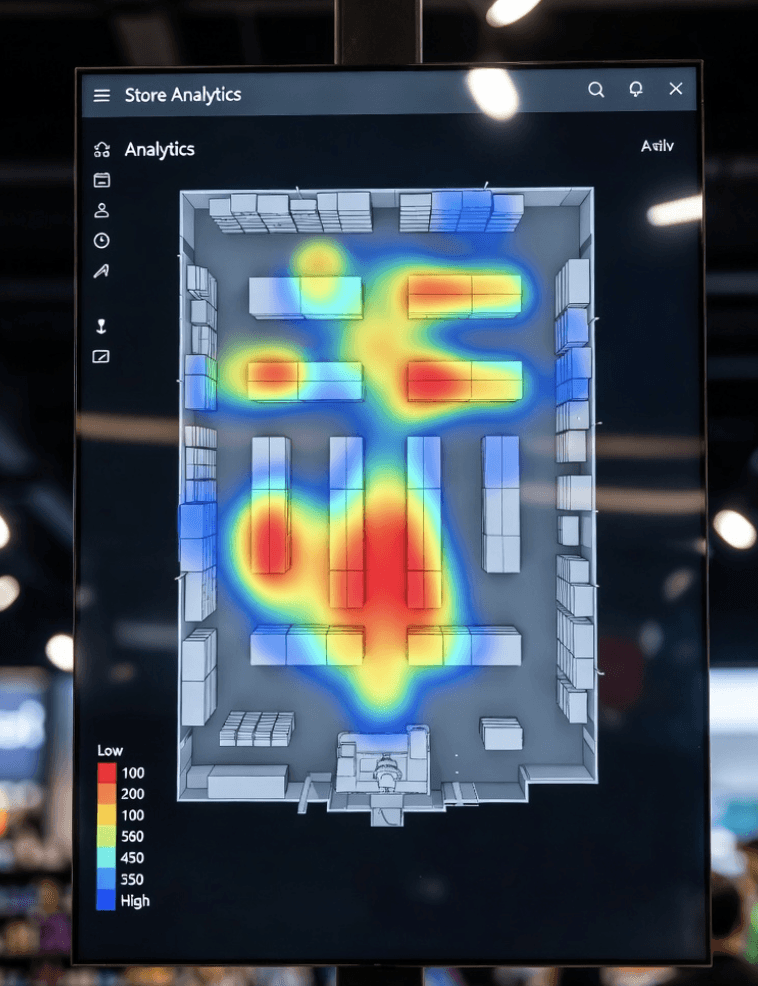
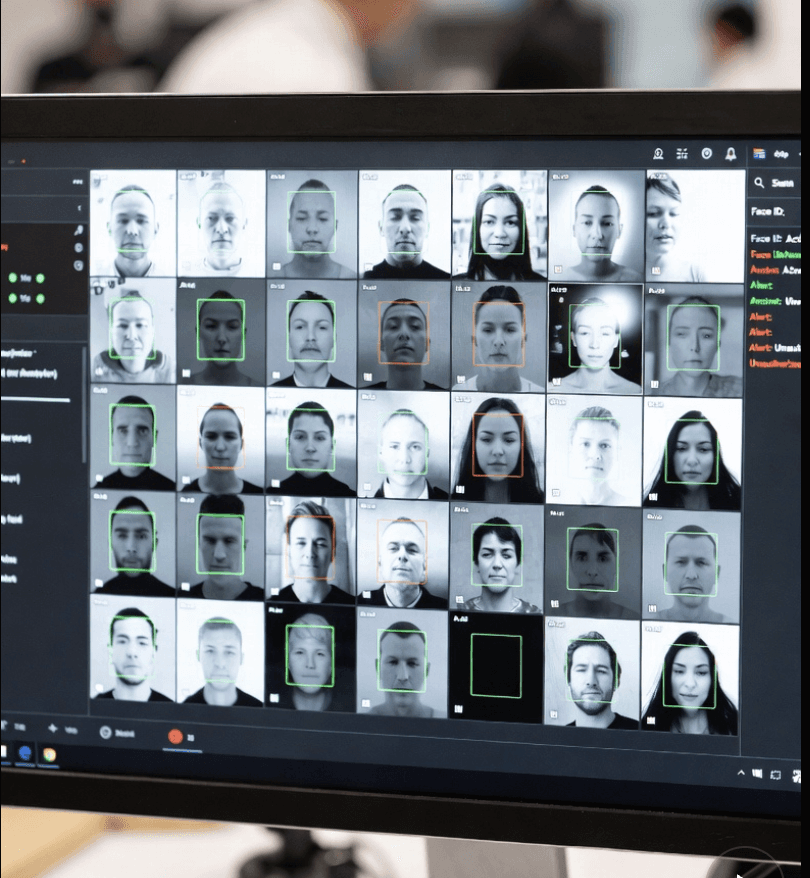
System Snapshots
Decisions That Mattered
1. Automation over manual sampling
Continuous monitoring reduced reliance on delayed, human-led inspection.
2. Data integrity as a first-class concern
Accuracy, calibration, and traceability were prioritised over feature expansion.
3. Design for unattended operation
Systems were built to operate reliably without frequent on-site intervention.
4. Align reporting with regulatory reality
Outputs were structured around how authorities review and act on data.
Our Role
We worked across:
System and product definition
Physical–digital architecture design
Monitoring workflows and reporting structures
Coordination with regulatory stakeholders
Our role focused on ensuring the system met institutional expectations of reliability and accountability.
Outcomes
Real-time visibility into effluent discharge and water quality
Reduced dependence on manual inspection and delayed reporting
Improved regulatory oversight and compliance confidence
A scalable monitoring system deployed across multiple locations
Tetherbox enabled authorities to move from reactive checks to continuous environmental governance.
Why This Matters
Environmental systems demand a different level of responsibility.
Tetherbox demonstrates how systems-first thinking can support public accountability, regulatory compliance, and environmental protection at scale.