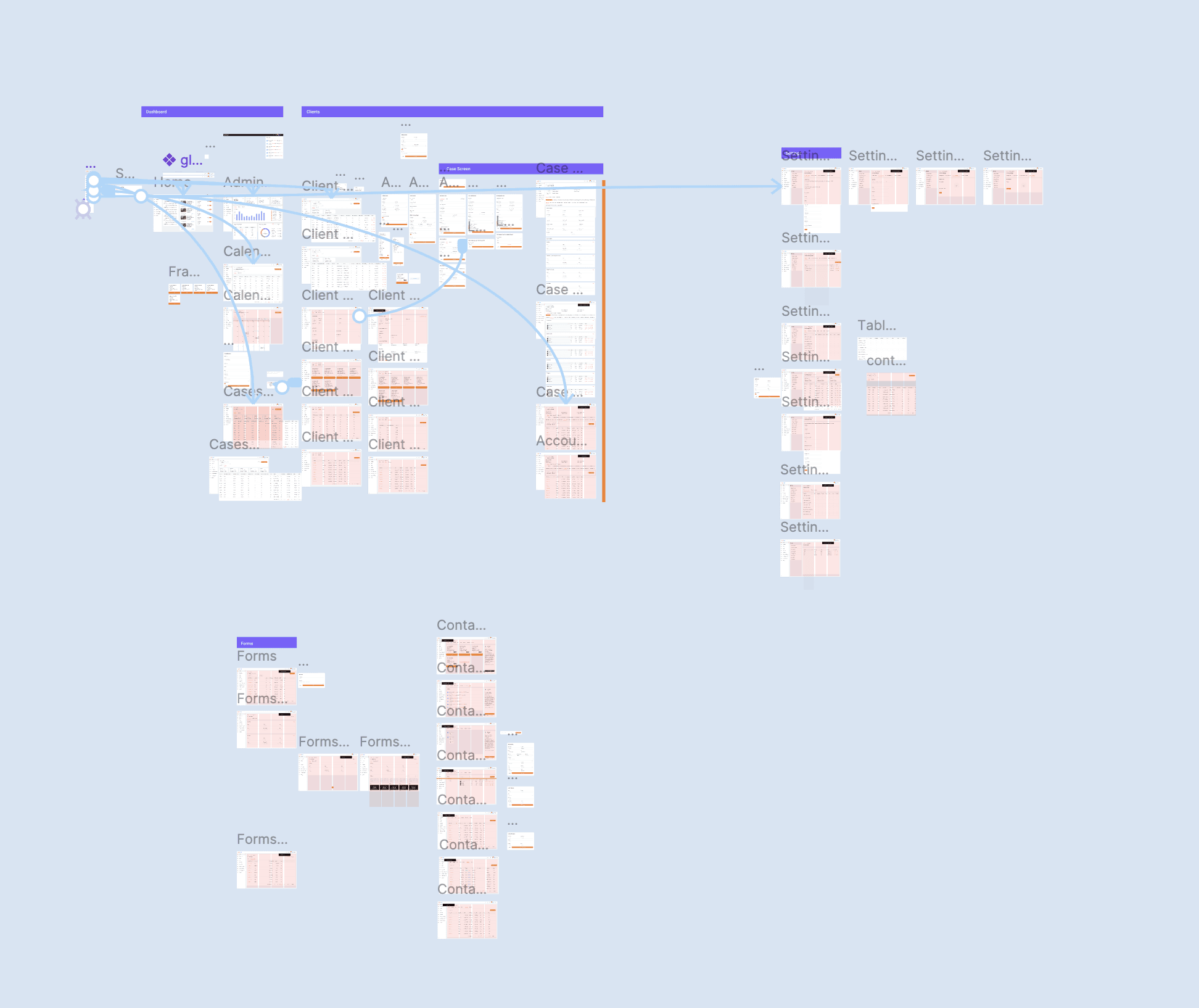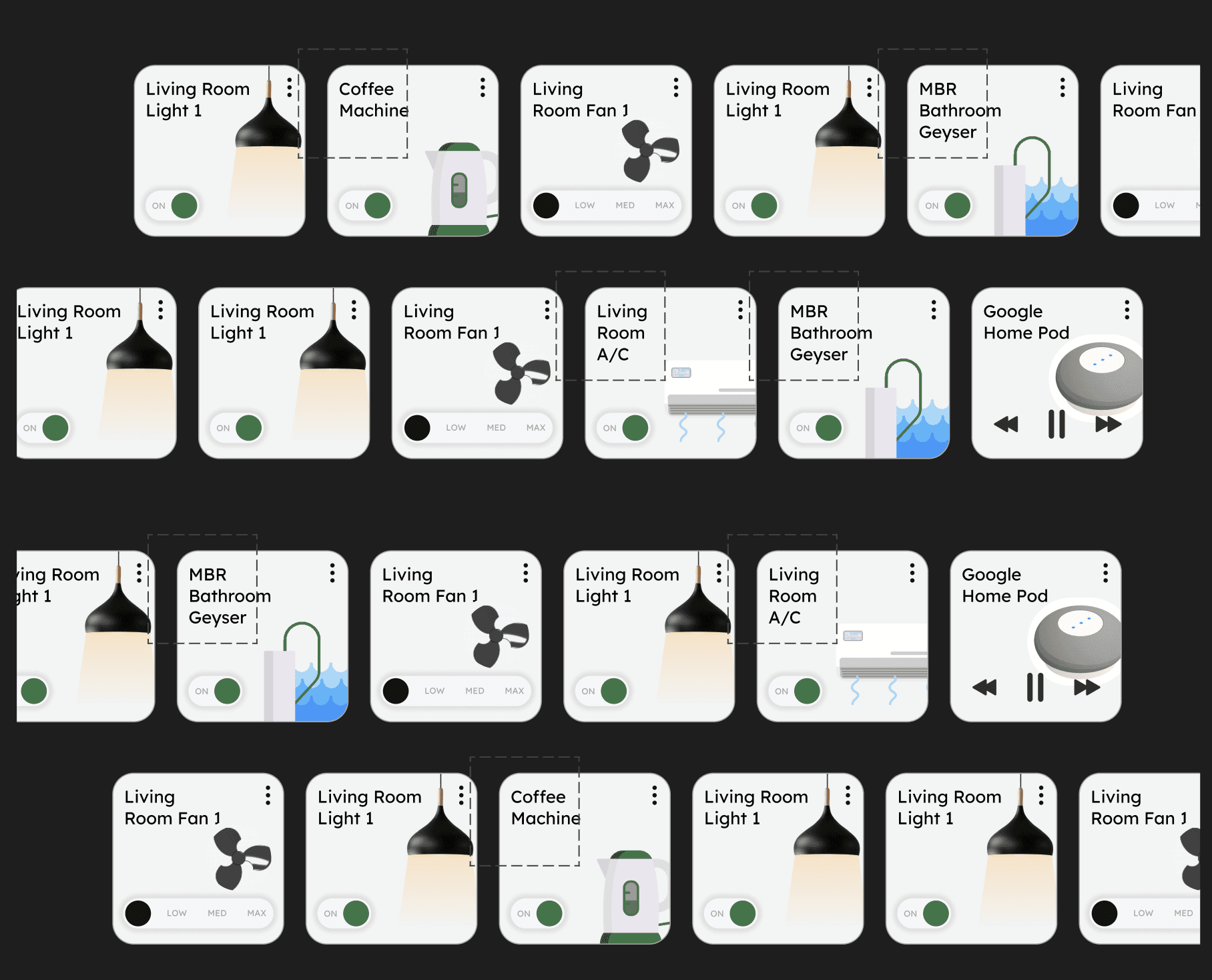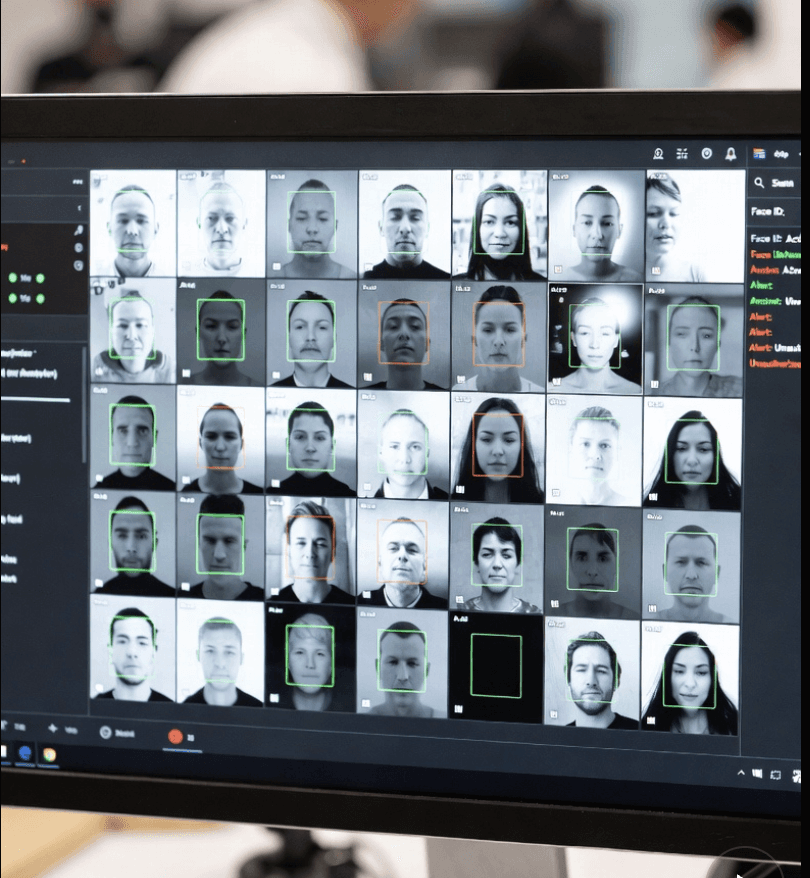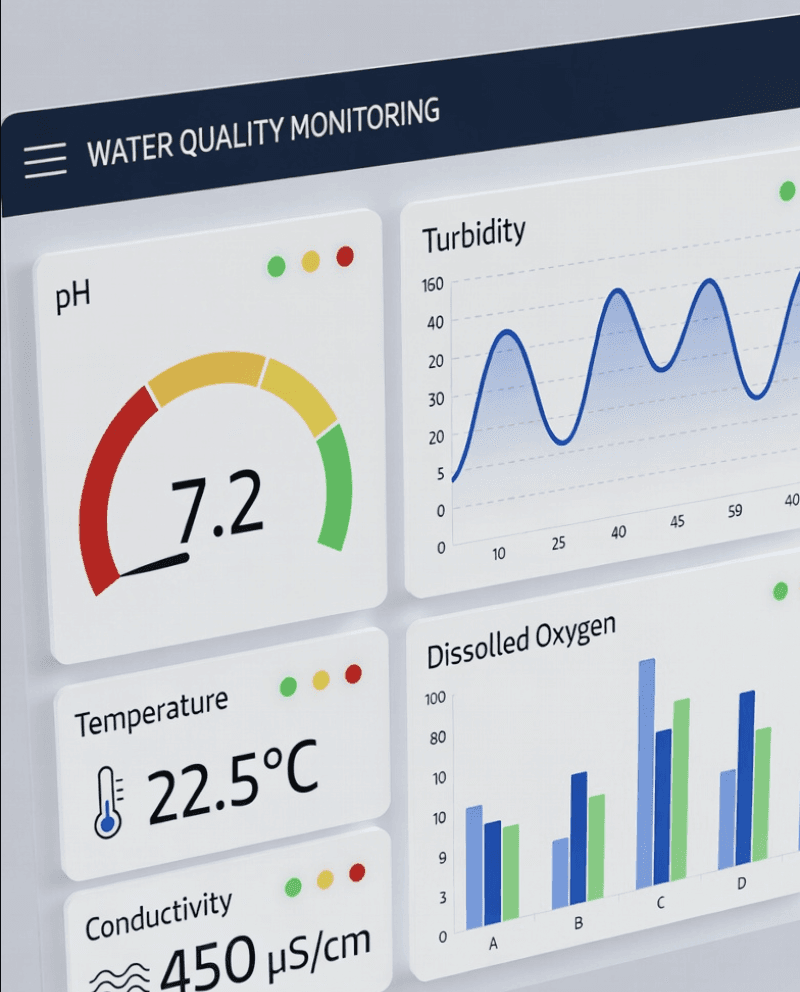


A physical–digital retail intelligence system designed to translate real-world behaviour into actionable insights.
Context
Intellovision was built as a retail intelligence system aimed at helping physical stores understand customer behaviour with the same clarity typically available in digital products.
The platform combined in-store hardware with a central analytics layer, enabling retailers to capture, analyse, and act on real-world engagement data. The goal was not surveillance, but insight, helping brands understand attention, movement, and interaction within physical spaces.
This required tight integration between physical devices, data pipelines, and decision-ready dashboards.
The Problem
Retail teams often make decisions without reliable visibility into what actually happens on the ground.
Key challenges included:
Lack of objective data on in-store customer behaviour
Difficulty translating physical movement into usable metrics
Fragmented hardware and software setups
The need for real-time and historical insights
Ensuring accuracy without disrupting store operations
The system needed to capture complexity without adding operational friction.
Key Constraints
Hardware had to operate reliably in live retail environments
Data accuracy was critical for decision-making credibility
Systems needed to scale across multiple store locations
Insights had to be understandable to non-technical teams
Privacy and ethical considerations had to be respected
The solution had to balance precision, usability, and responsibility.
The System We Designed
Intellovision was designed as a physical–digital analytics system, where data flowed seamlessly from real-world environments into structured insights.
Core system principles:
Non-intrusive data capture
Real-time and aggregated analysis
Clear separation between raw data and insights
Actionable metrics over vanity data
The system included:
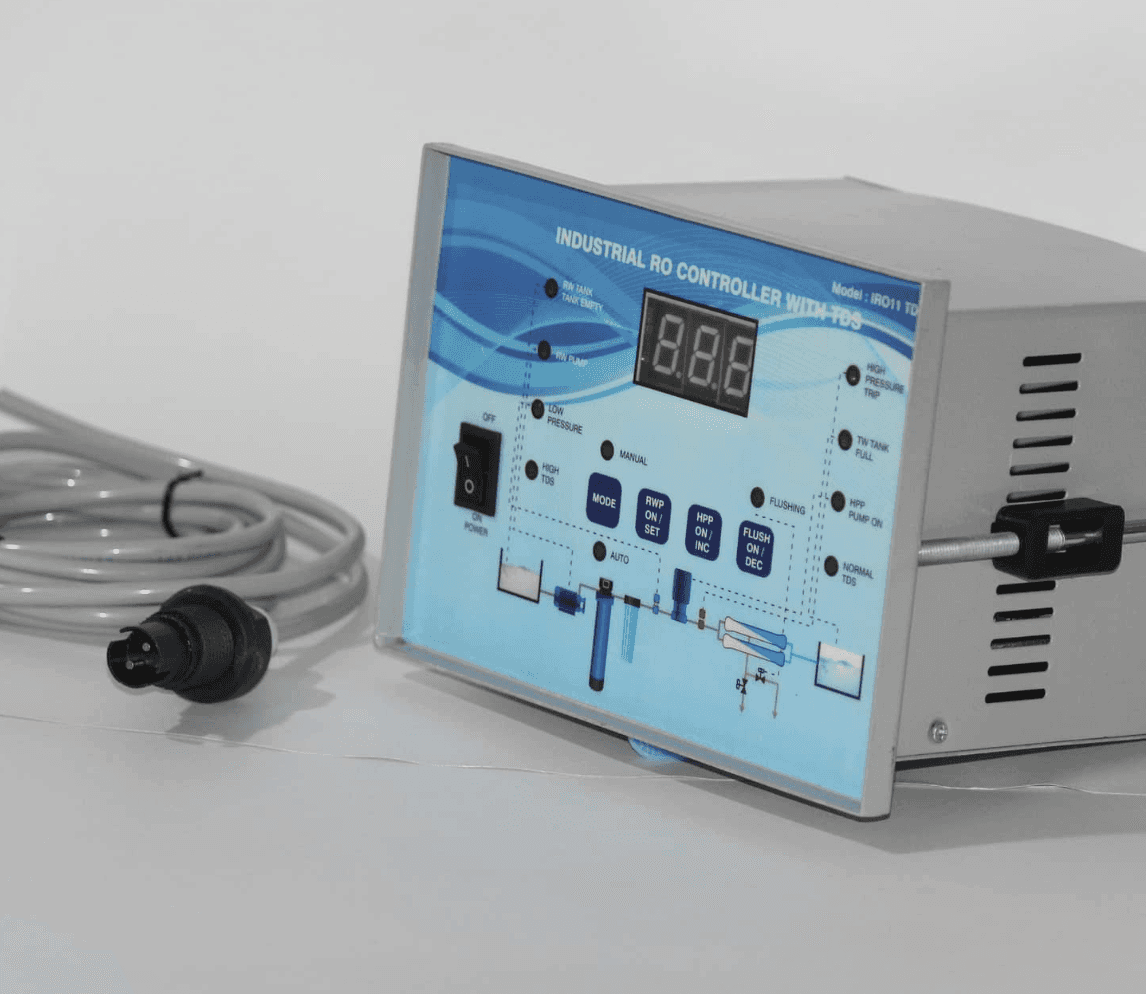
In-store sensing and vision hardware
Data processing and analytics pipelines
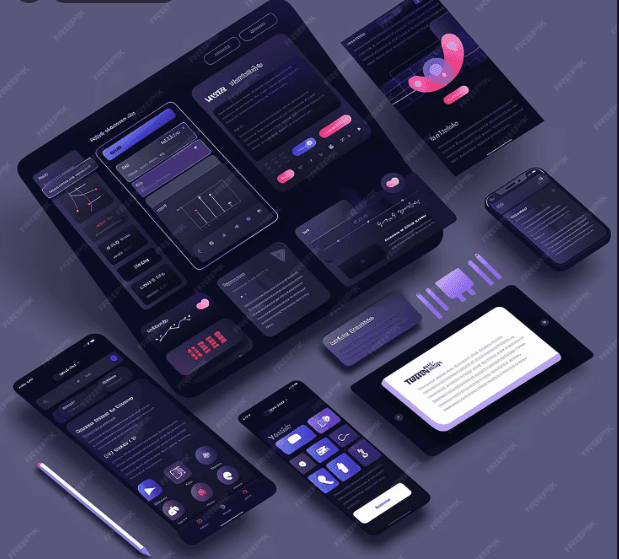
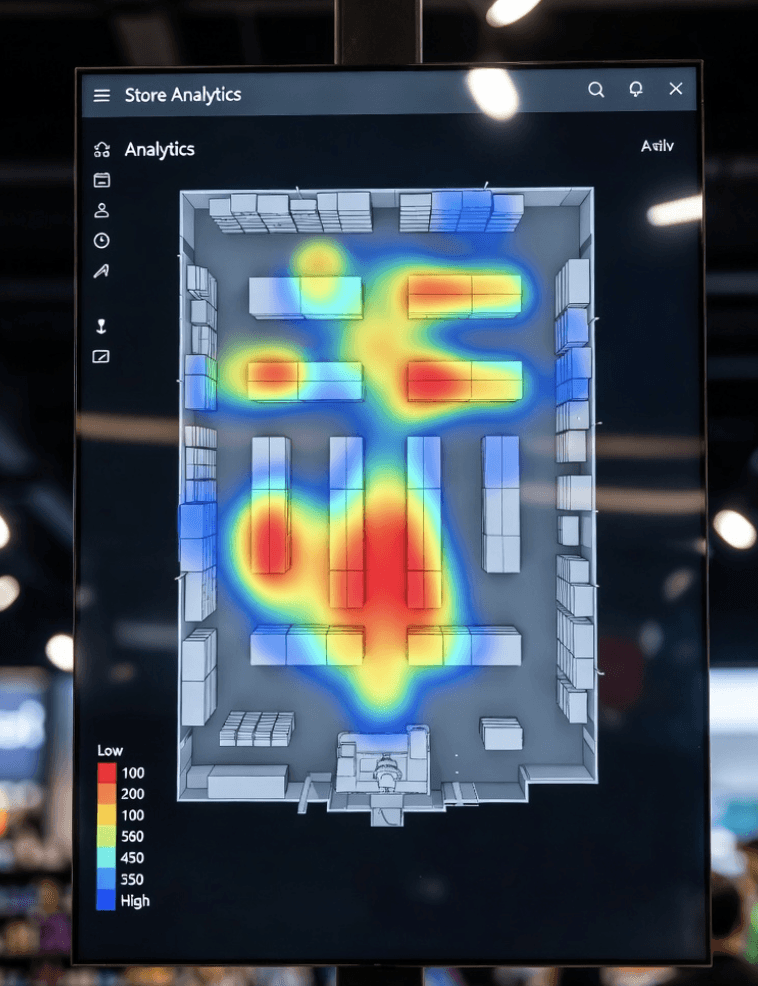
Centralised dashboards for performance and trends
Heat maps and attention metrics
Reporting tools for operational and strategic decisions
The focus was always on decision usefulness, not data volume.
Decisions That Mattered
1. Design insights, not raw data feeds
Retail teams needed clarity, not complex analytics interfaces.
2. Treat hardware as part of the product, not an add-on
Physical reliability was foundational to system trust.
3. Prioritise accuracy over novelty
Only metrics that could be trusted were surfaced.
4. Build for repeatability across locations
The system could be deployed consistently across multiple stores.
Our Role
We worked across:
End-to-end product definition
Physical–digital system design
Analytics and insight modelling
Experience structure for operational teams
Our role focused on ensuring the system translated real-world signals into usable intelligence.
Outcomes
Clear visibility into in-store customer behaviour
Actionable insights for layout, merchandising, and staffing
Reduced reliance on assumptions and anecdotal feedback
A scalable system suitable for multi-location retail operations
Intellovision helped bridge the gap between physical retail and data-driven decision-making.
Why This Matters
Physical spaces generate rich signals, but only if they’re structured correctly.
Intellovision demonstrates how systems-first thinking can bring digital-grade clarity to real-world environments without increasing operational complexity.