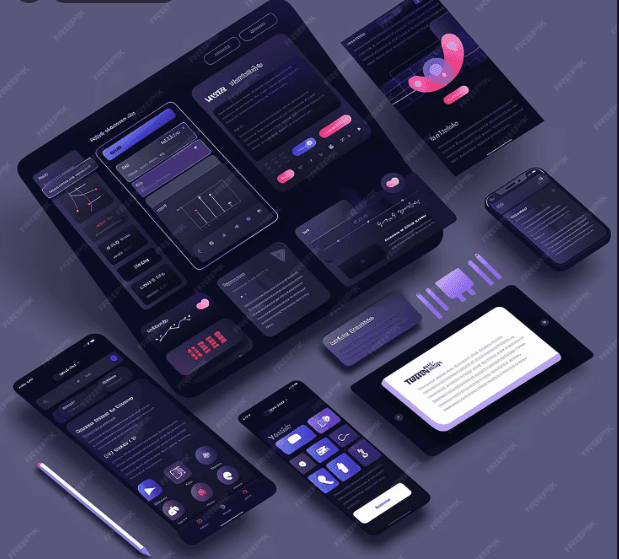


A builder-led home and property automation platform designed for large-scale residential projects.
Context
Flick Automations was built as a B2B automation platform tailored for real estate developers and builders delivering connected homes at scale.
The vision went beyond individual smart homes. The platform needed to support entire residential developments - where homes, shared infrastructure, and property management systems were all connected and centrally managed.
Each deployment required custom branding for builders while maintaining a consistent underlying system that could scale across projects and locations.
The Problem
Home automation often fails when it’s treated as a gadget layer rather than an operational system.
Key challenges included:
Managing hundreds of connected homes within a single project
Supporting multiple builders with distinct branding requirements
Coordinating individual home automation with shared property systems
Ensuring reliability across installations and handovers
Avoiding fragmented setups that break after deployment
The platform needed to balance customisation for builders with standardisation for scale.
Key Constraints
Automation systems had to work reliably post-handover
Builders needed control without managing technical complexity
Property managers required visibility across shared infrastructure
Systems needed to scale across projects without reconfiguration
Branding requirements could not compromise system integrity
Operational stability was critical.
The System We Designed
Flick Automations was designed as a modular automation system, where individual homes and shared property infrastructure operated as part of a unified platform.
Core system principles:
Modular architecture with central control
Builder-specific branding over a shared core system
Seamless transition from construction to occupancy
Centralised monitoring with decentralised control
The system included:
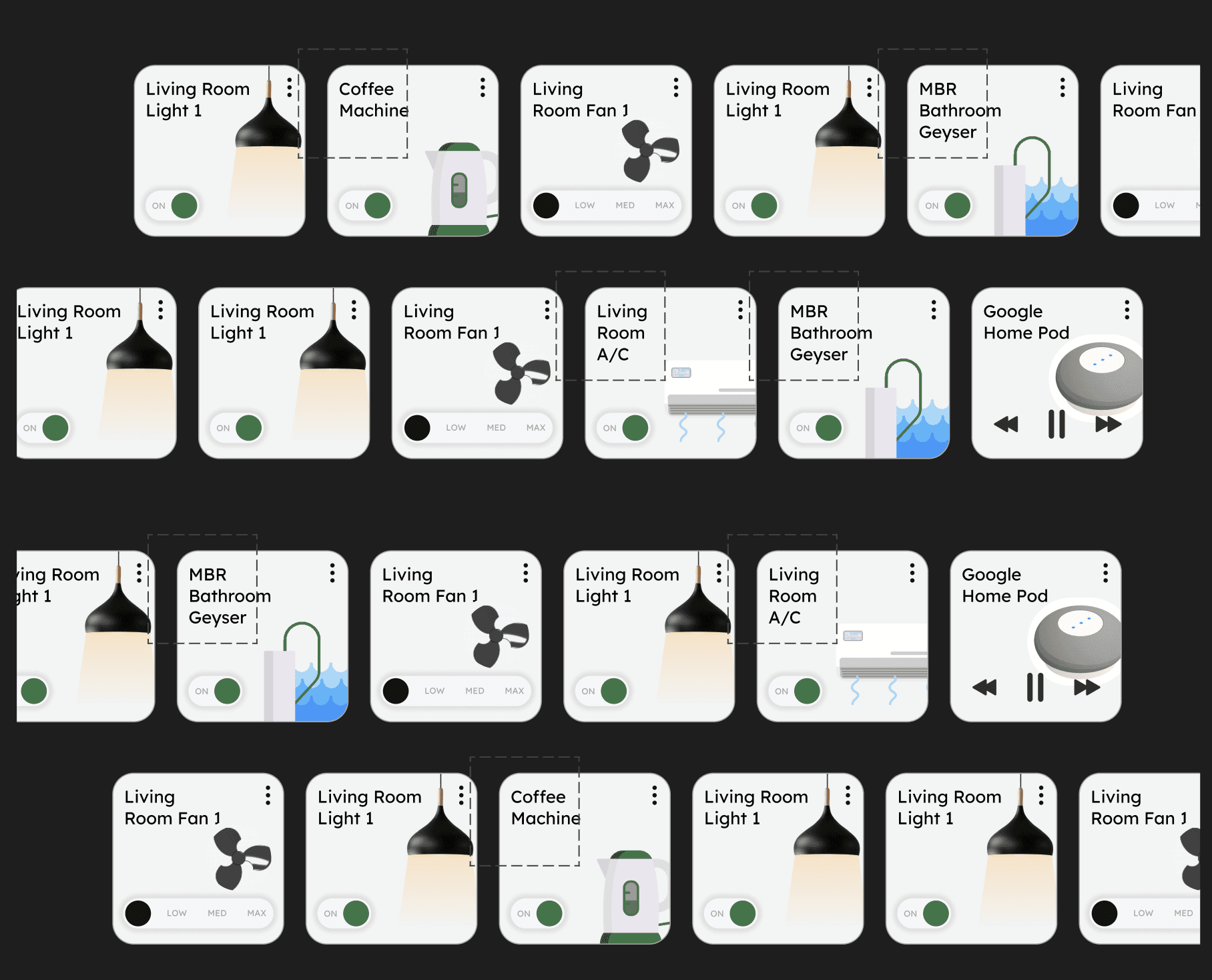
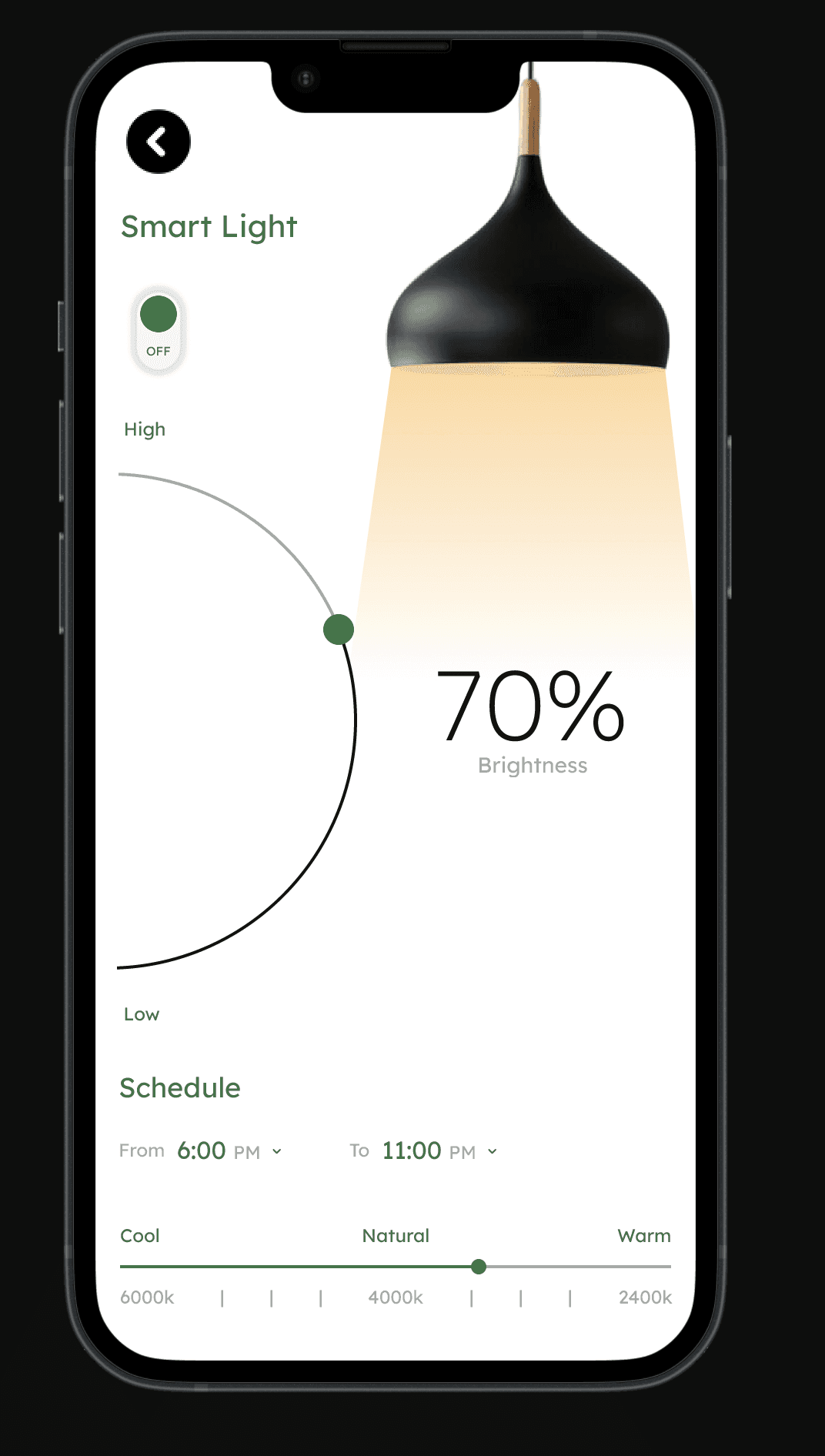
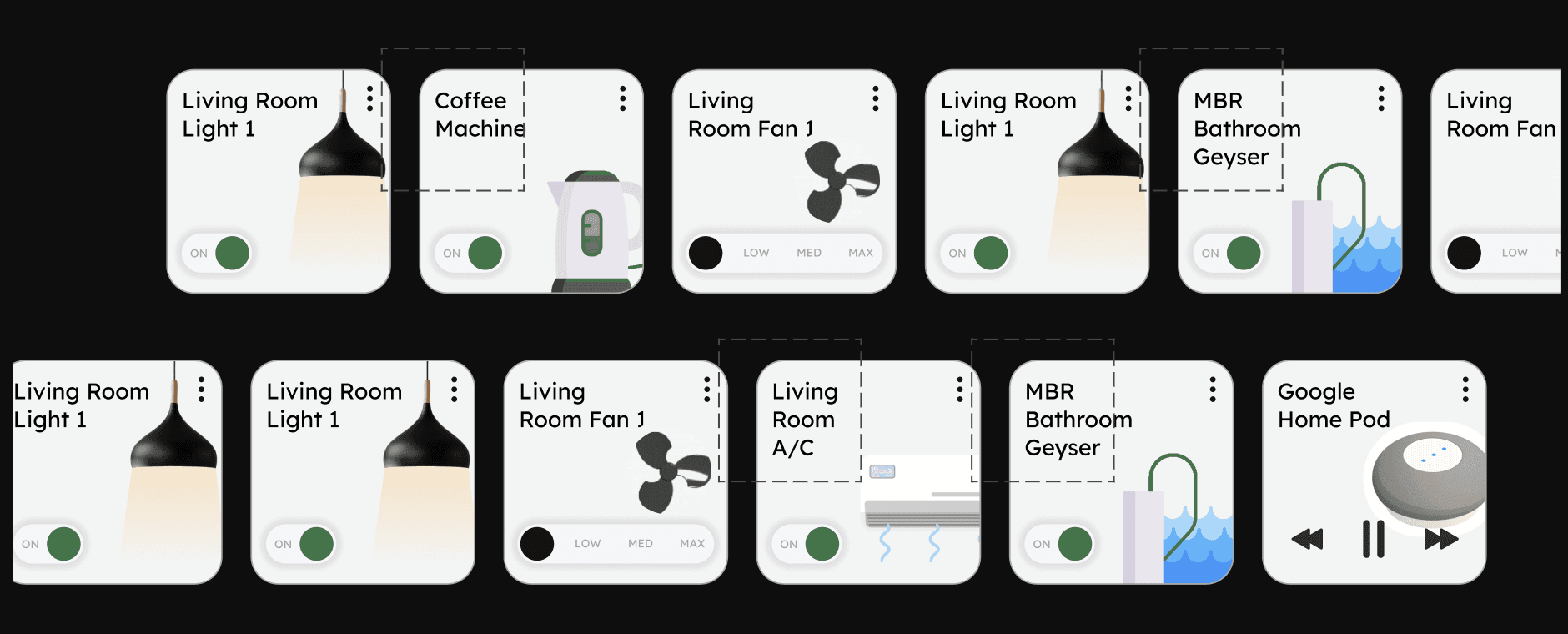
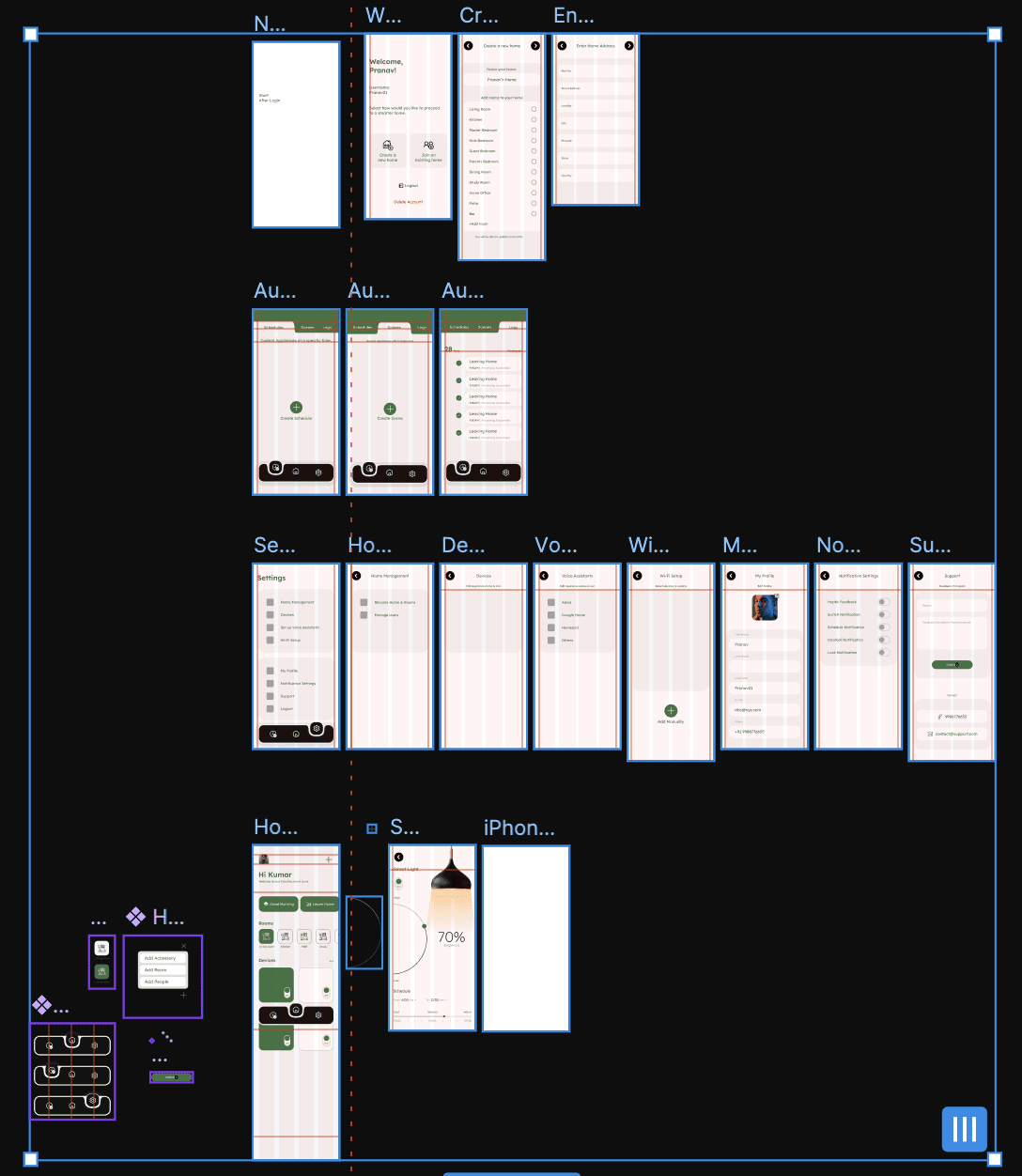
Home-level automation controls
Builder and project-level management dashboards
Property-wide automation and monitoring
User role management across residents, builders, and operators
Central configuration and deployment logic
The system treated each project as a scalable unit, not a one-off installation.
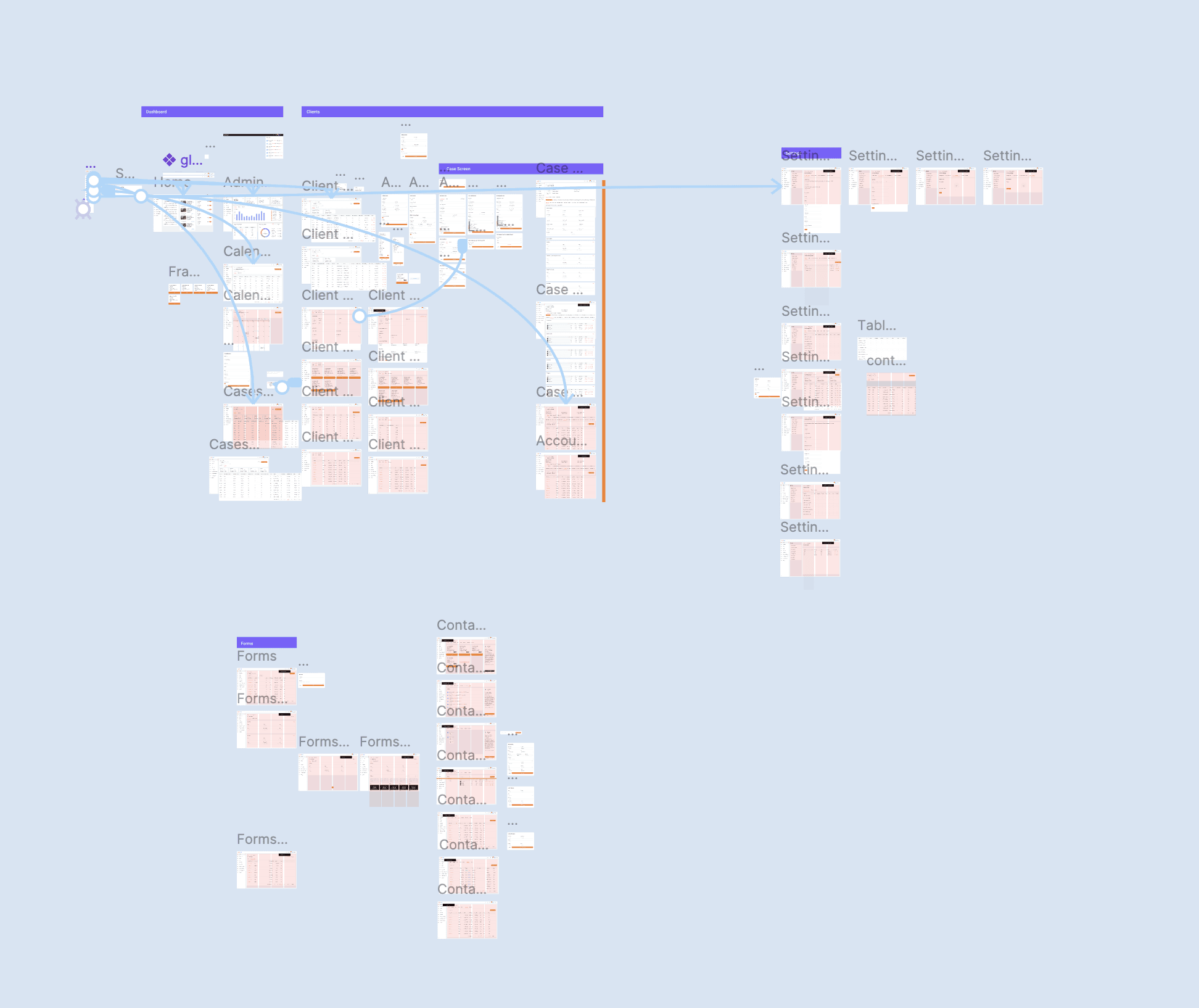
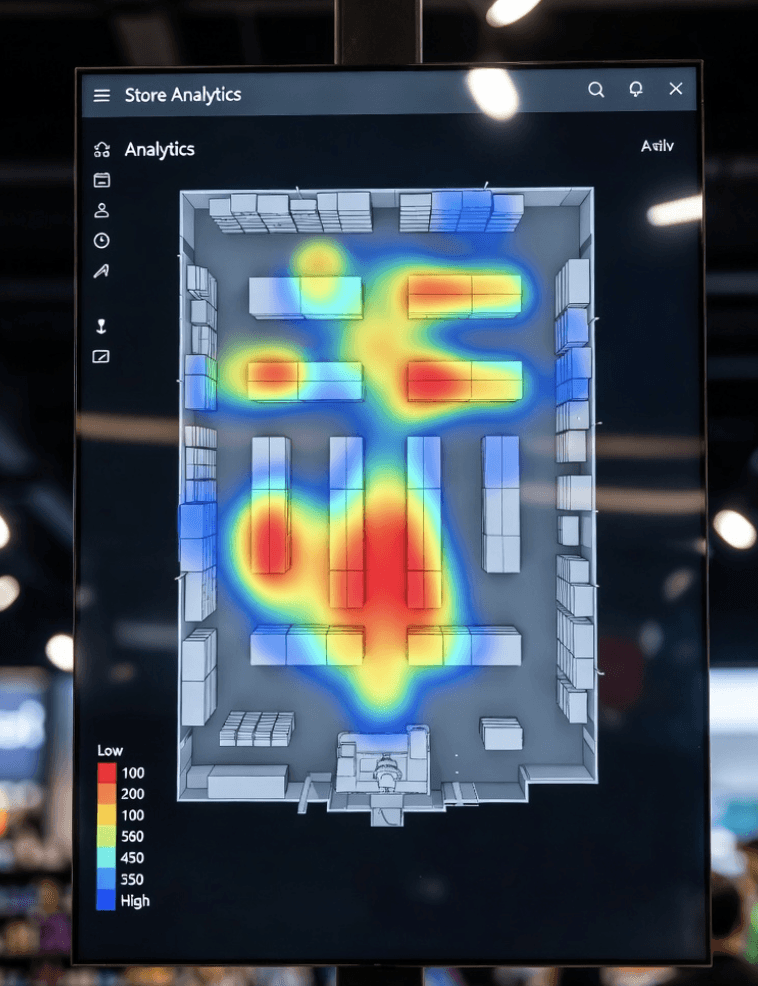
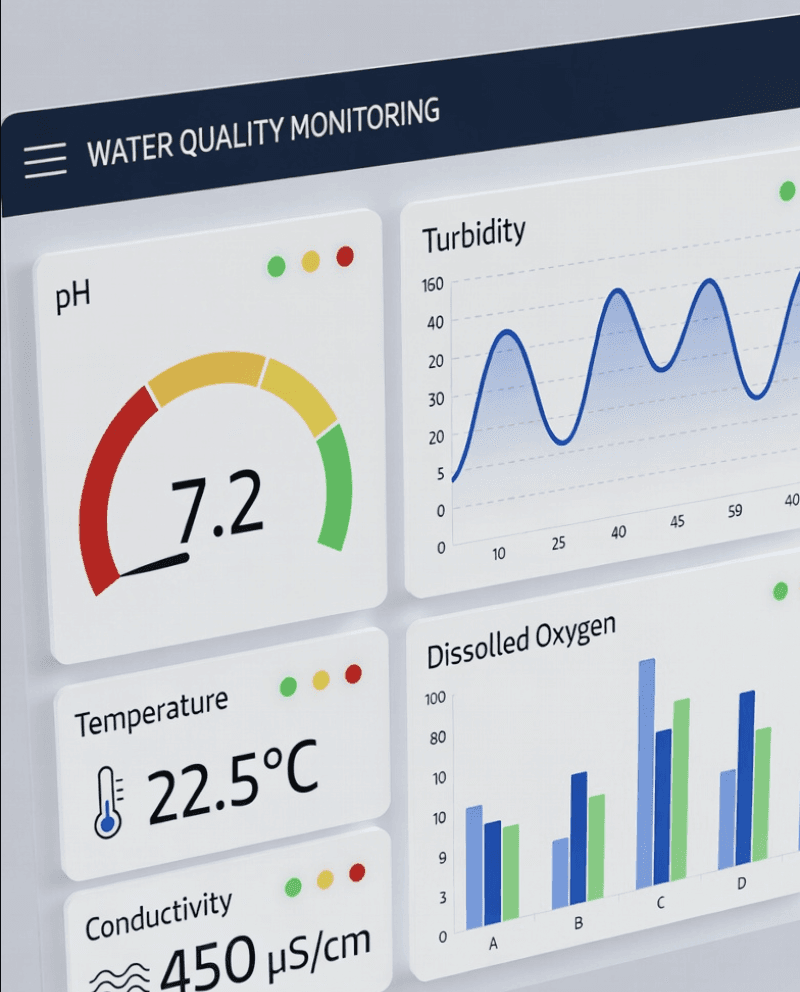
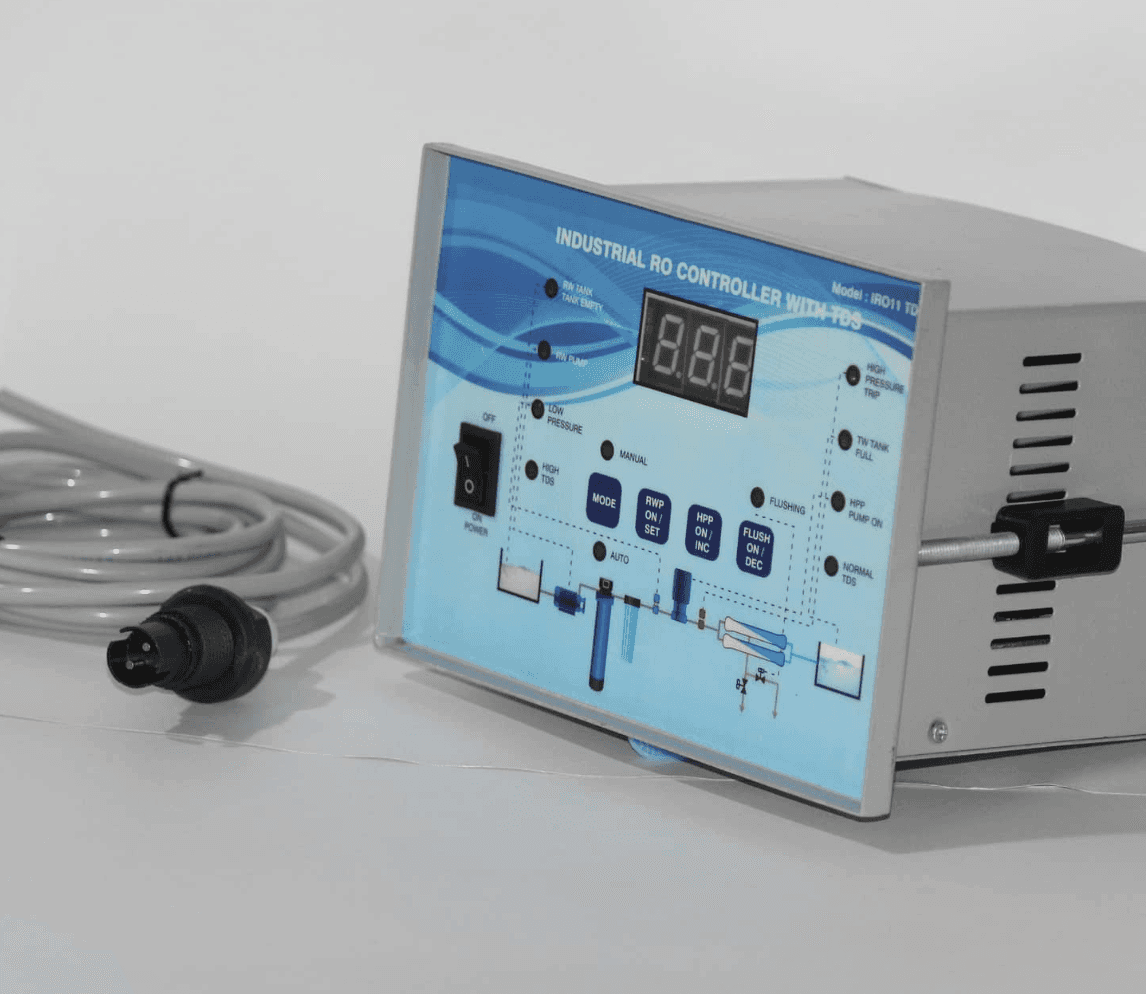
System Snapshots
Decisions That Mattered
1. Separate system core from branding layers
This allowed builders to customise the experience without compromising reliability.
2. Design for post-deployment reality
The system prioritised long-term stability over flashy features.
3. Centralise control, decentralise usage
Builders and operators retained oversight while residents controlled their own environments.
4. Build for repeatability across projects
Every new deployment followed the same system logic, reducing setup and maintenance effort.
Our Role
We worked across:
Product and system architecture
Experience structure across roles
Automation workflow design
Execution coordination across platform modules
Our role focused on ensuring the platform stayed manageable as deployments scaled.
Outcomes
A scalable automation platform adopted across residential projects
Reduced setup and maintenance complexity for builders
Clear separation between home-level and property-level systems
A repeatable deployment model suitable for large developments
Flick Automations shifted home automation from isolated setups to a builder-grade system.
Why This Matters
Automation at scale isn’t about devices, it’s about coordination.
Flick Automations shows how system-led thinking can make connected infrastructure reliable, manageable, and scalable in real-world residential environments.