

A Canada-based visa and immigration operations platform designed to manage complex, multi-step application workflows.
Context
VisaFlow was built as a Canada-based immigration and visa operations platform supporting individuals and organisations navigating structured, multi-stage application processes.
Operating within the Canadian immigration ecosystem meant dealing with clearly defined regulations, evolving requirements, long-running cases, and strict documentation standards. The platform needed to support both applicants and internal operations teams while maintaining accuracy, clarity, and consistency across every stage of the process.
This was not a consumer travel product. It was an operational system designed for reliability in a regulated environment.
The Problem
Immigration workflows are inherently complex, but most systems fail by treating them as linear or transactional.
The real challenge was managing long-running, stateful cases where missing a step, document, or deadline could invalidate an application entirely.
Key problems included:
Multi-step processes with dependencies across documents and approvals
Frequent changes in status and requirements
Coordination between applicants, internal teams, and external authorities
High-stress environments where clarity directly affects trust
Scaling operations without increasing manual overhead
The system needed to reduce uncertainty while respecting the rigidity of the process.
Key Constraints
Regulatory processes that could not be redesigned or simplified arbitrarily
Legal records requiring strict versioning and history
Government integrations and documentation standards
Multiple user roles with tightly scoped permissions
Long lifecycle cases spanning months or years
Every decision had to respect institutional constraints.
The System We Designed
VisaFlow was designed as a case-based operations system, where every application existed as a structured, evolving entity rather than a checklist.
Core system principles:
One source of truth per application
Explicit states and transitions
Clear ownership across roles
Applicant transparency without operational leakage
The system included:
Case creation and eligibility assessment
Structured document collection and validation workflows
Status tracking across defined stages
Internal task assignment and review
Controlled communication and notifications
The system prioritised predictability, accountability, and calm execution over speed.
System Snapshots
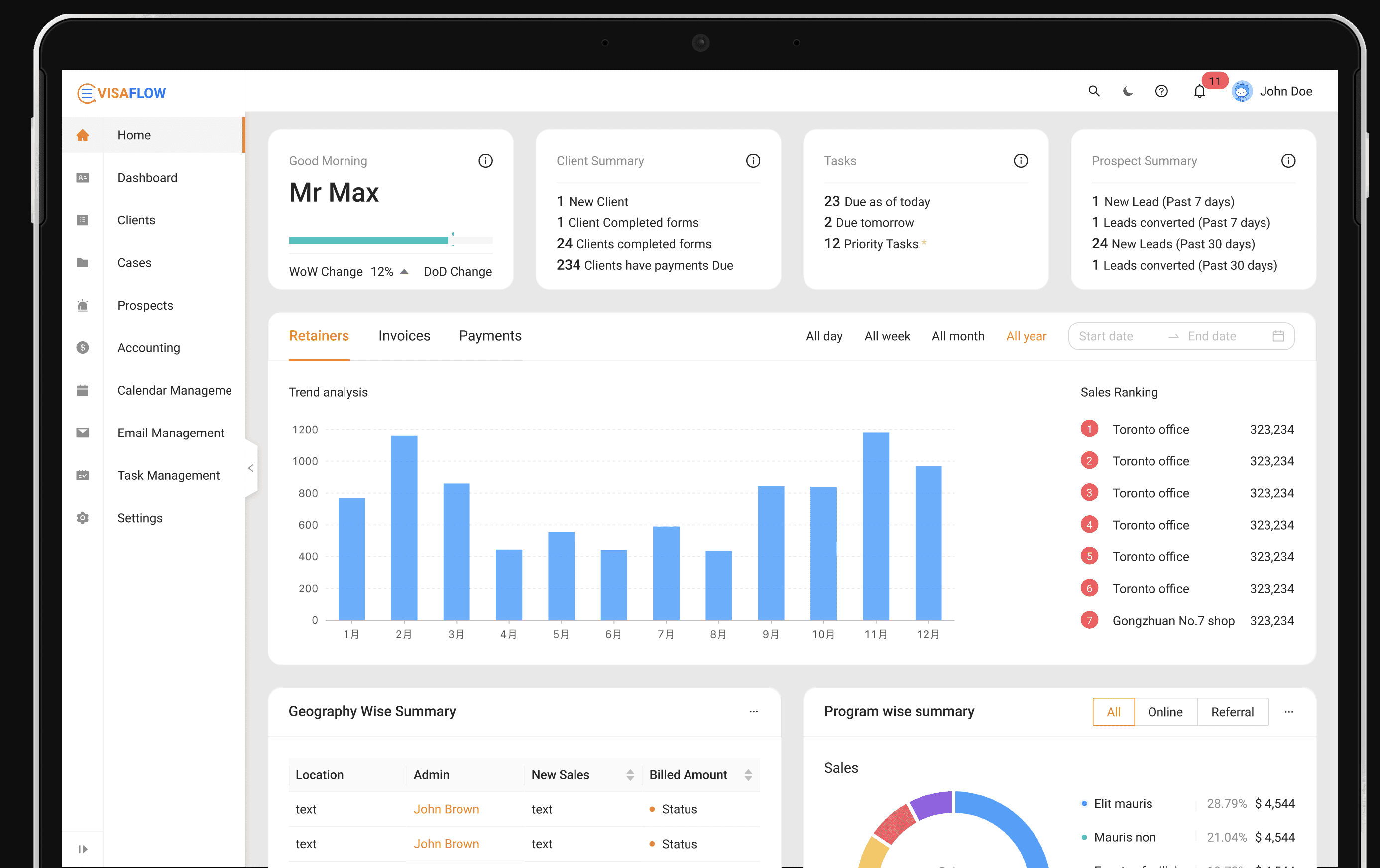
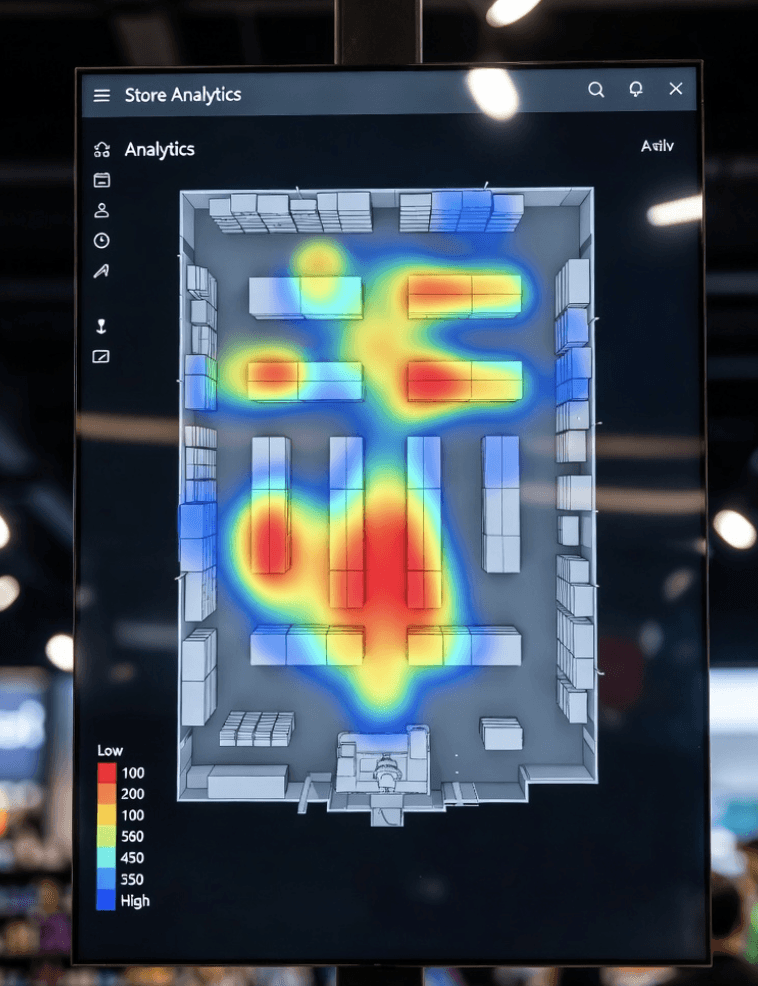
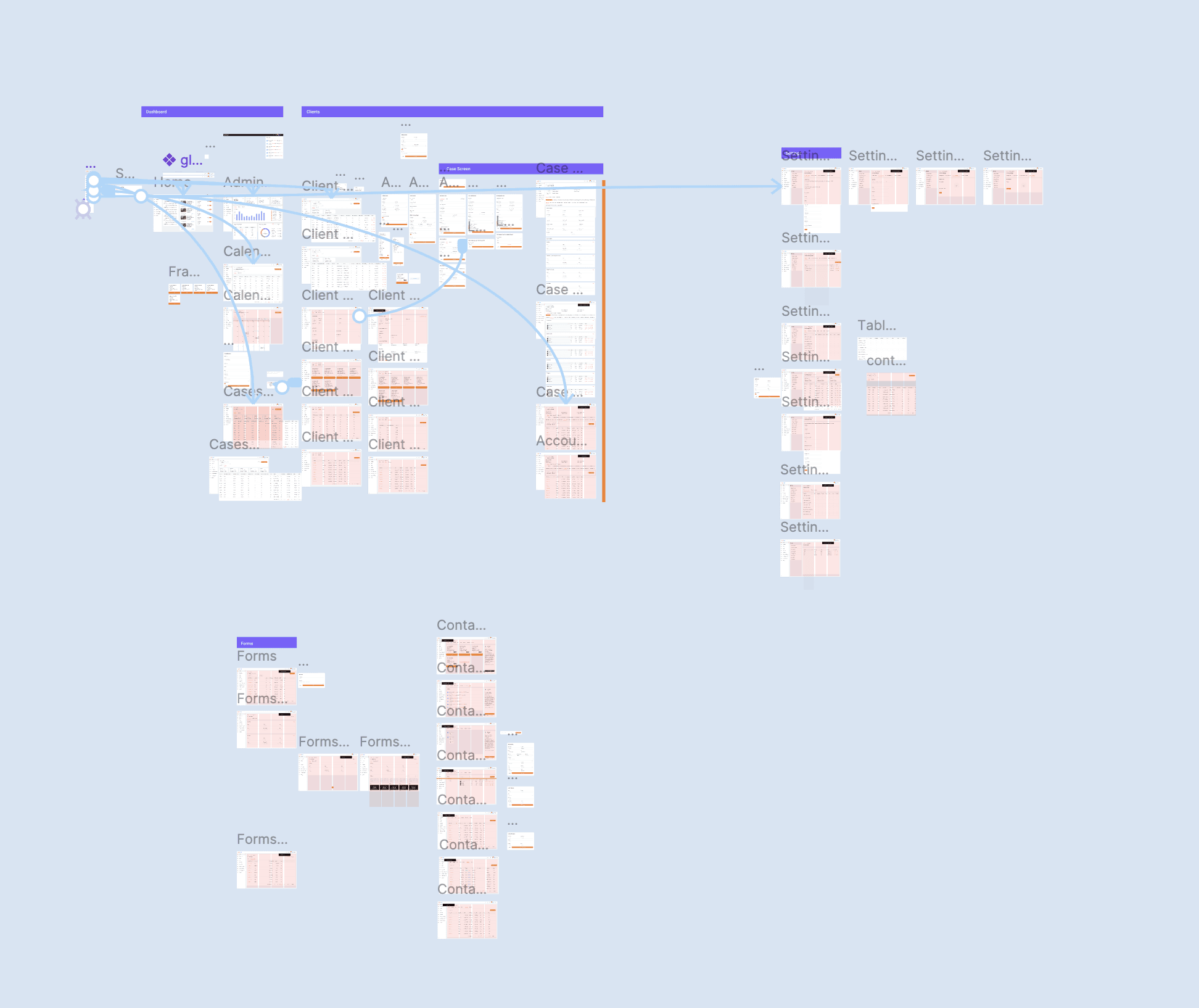
Case-centric dashboard designed to act as a single source of truth across long-running immigration workflows.
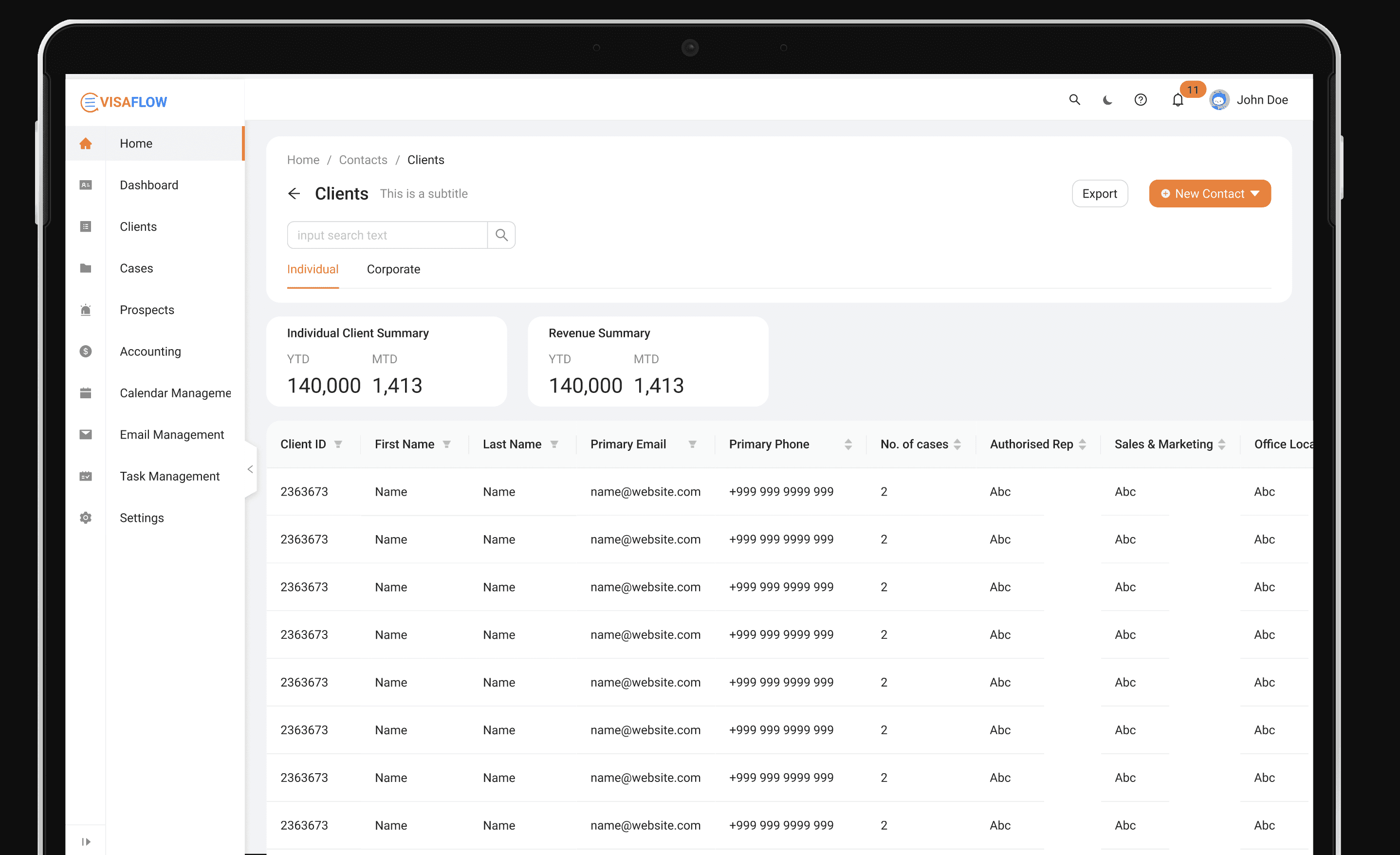
Applicant-facing views structured to clearly communicate case status, progress, and next required actions.
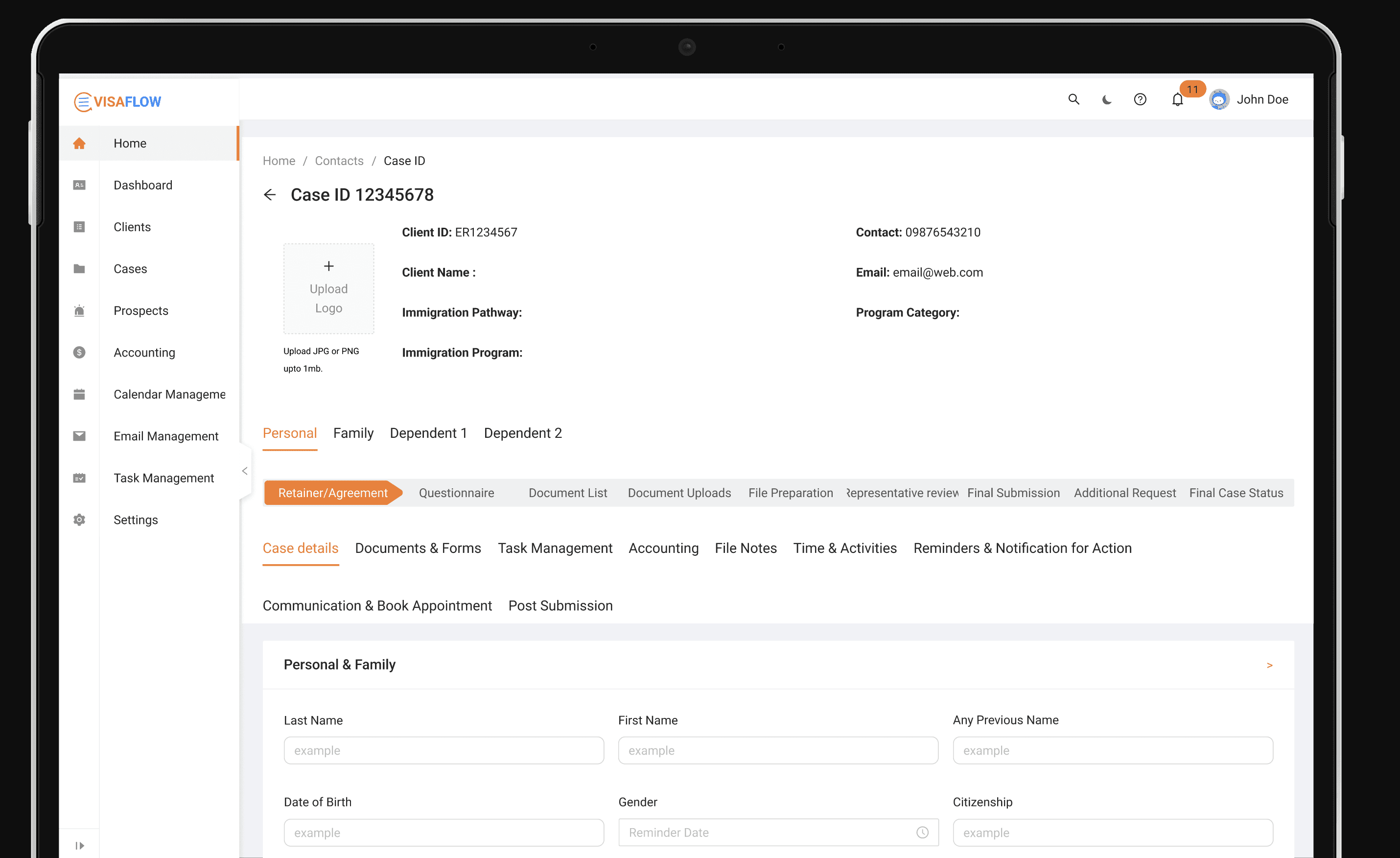
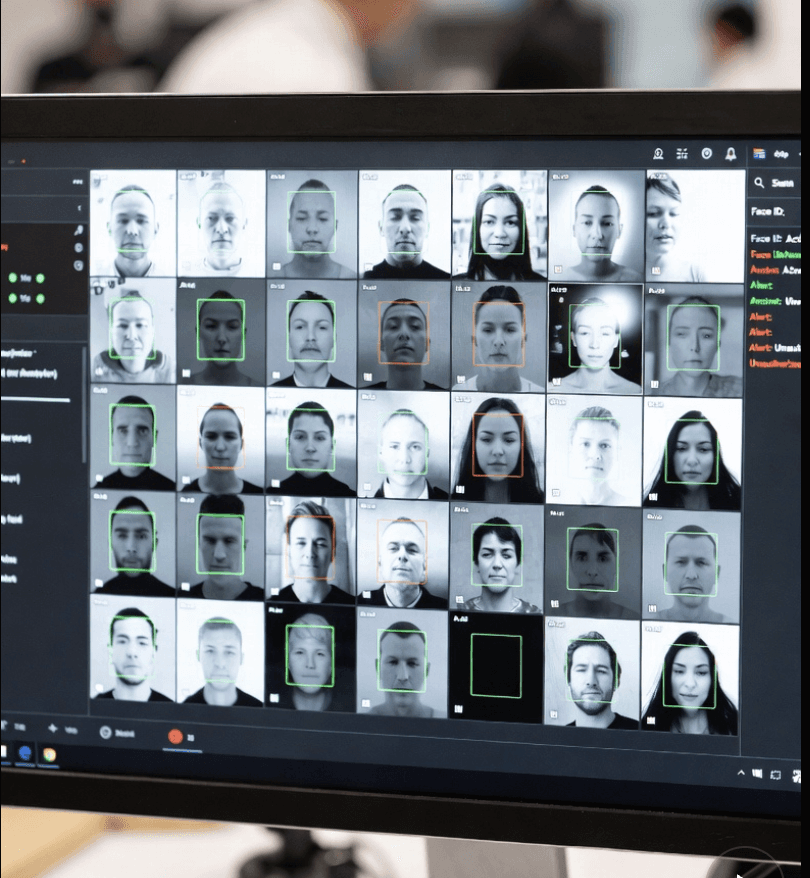
Structured document workflows designed to enforce completeness and accuracy without manual follow-ups.
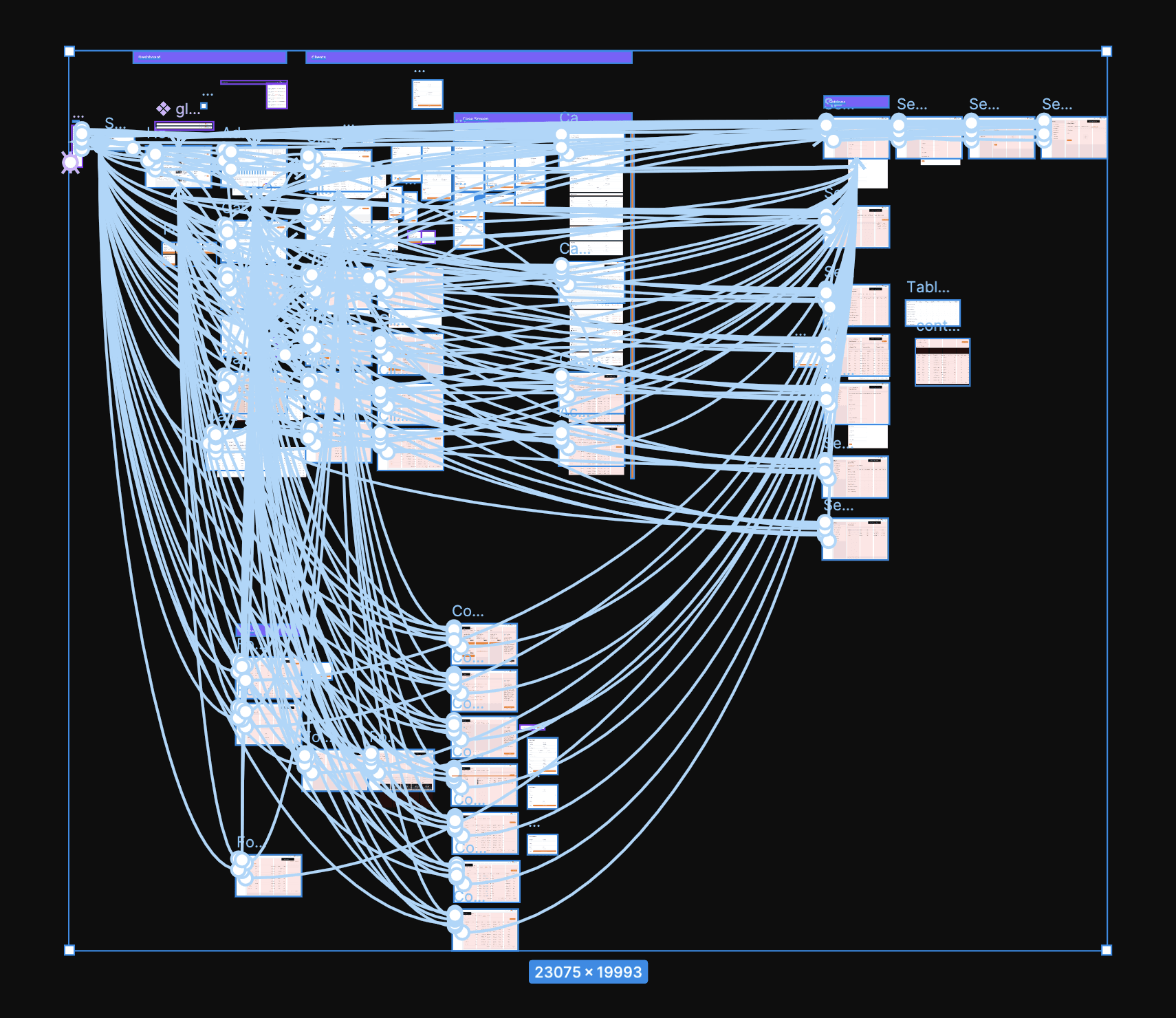
Decisions That Mattered
1. Treat applications as long-running cases
This prevented fragmentation and ensured continuity across months-long processes.
2. Separate applicant clarity from internal complexity
Applicants saw only what was relevant to them, while operations teams retained full visibility and control.
3. Make state transitions explicit
Every change in status was deliberate and traceable, reducing ambiguity and errors.
4. Design for regulatory change
The system allowed workflows to evolve without breaking active cases.
Our Role
We worked across:
Product definition and workflow modelling
Experience architecture for applicants and operators
Case structure and state management
Execution support across core operational modules
Our role focused on maintaining operational clarity under regulatory pressure.
Outcomes
Clear, structured handling of complex immigration workflows
Reduced operational confusion and rework
Improved visibility across long-running cases
A system capable of scaling across visa types and volumes
VisaFlow enabled teams to manage complexity without increasing stress or manual effort.
Why This Matters
Regulated systems don’t fail because they are complex , they fail when complexity isn’t structured.
VisaFlow demonstrates how systems-first thinking can bring clarity, accountability, and confidence to high-stakes, regulation-driven environments.